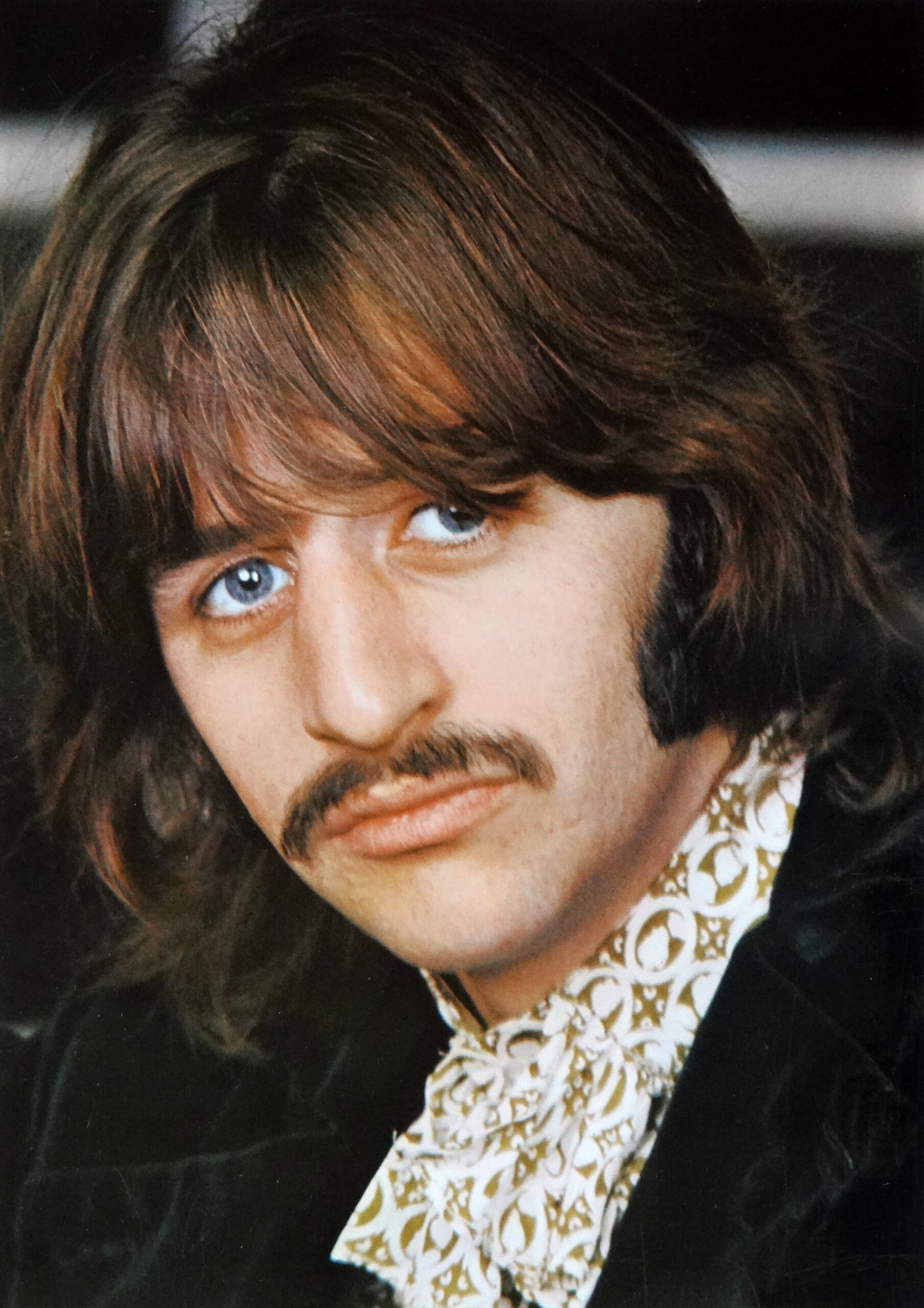
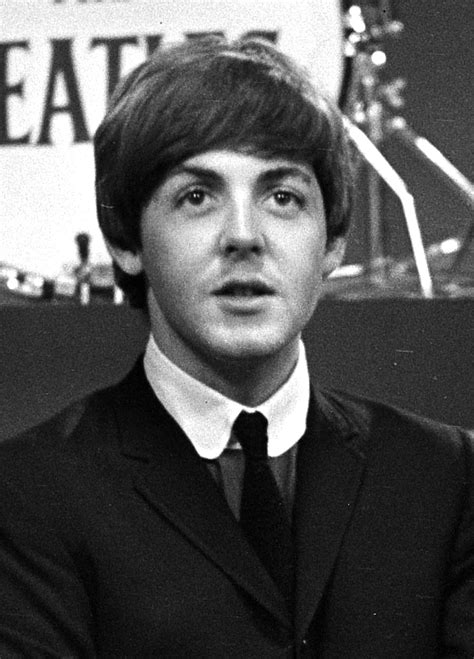
Who Is Paul McCartney?
Sir Paul McCartney is an English musician, singer, songwriter, composer and producer best known as a founding member of The Beatles, one of the most successful and influential bands in music history.
Over a career spanning more than six decades, McCartney has achieved extraordinary success as a member of The Beatles, the leader of Wings and as a solo artist. His songs have sold millions of copies worldwide and continue to be performed, streamed and celebrated by new generations of listeners.
Born and raised in Liverpool, McCartney first gained international fame during the 1960s as bassist, vocalist and songwriter for The Beatles. Alongside John Lennon, he formed the legendary Lennon-McCartney song writing partnership, creating many of the most famous songs ever written, including Yesterday, Hey Jude, Let It Be, Eleanor Rigby, Penny Lane and Blackbird.
Unlike many musicians whose careers are defined by a single period of success, McCartney continued to evolve after The Beatles. During the 1970s he formed Wings, one of the most successful bands of the decade, before embarking on a solo career that remains active today.
Throughout his life, McCartney has been recognised not only for his songwriting but also for his bass playing, musicianship, creativity and influence on popular culture. His ability to move between rock, pop, classical music, experimental recordings and live performance has helped establish him as one of the most versatile artists in modern music.
Today, Paul McCartney is widely regarded as one of the most important musicians of the twentieth and twenty-first centuries. His contribution to music continues to inspire artists and audiences around the world.
Paul McCartney is one of the most successful songwriters and recording artists in music history.
From chart-topping classics and hidden album tracks to song writing history, recording details, song meanings and fascinating facts, discover the stories behind some of the greatest songs ever recorded.
Early Life In Liverpool
Paul McCartney was born on 18 June 1942 at Walton Hospital in Liverpool during the Second World War. He grew up in a working-class family and spent much of his childhood in the city’s southern suburbs.
His father, Jim McCartney, worked as a cotton salesman but also had a strong interest in music. Before starting a family, Jim had played piano and led a local jazz band. Music was therefore a natural part of family life, and Paul’s early exposure to songs, melodies and performance would later prove invaluable.
His mother, Mary McCartney, worked as a nurse and midwife. She was highly respected within the local community and played an important role in supporting the family.
As a child, McCartney attended local schools and quickly developed a curiosity about music. Like many young people growing up in post-war Liverpool, he became fascinated by the growing popularity of American rock and roll.
Artists such as:
- Elvis Presley
- Little Richard
- Buddy Holly
- Chuck Berry
- Carl Perkins
would have a profound influence on his musical development.
During his teenage years, McCartney began teaching himself guitar and soon showed a natural ability for learning songs and understanding melody. His enthusiasm for music continued to grow and by the mid-1950s he was already dreaming of a career as a musician.
Few people could have imagined that the young boy from Liverpool would eventually become one of the most famous performers in the world.
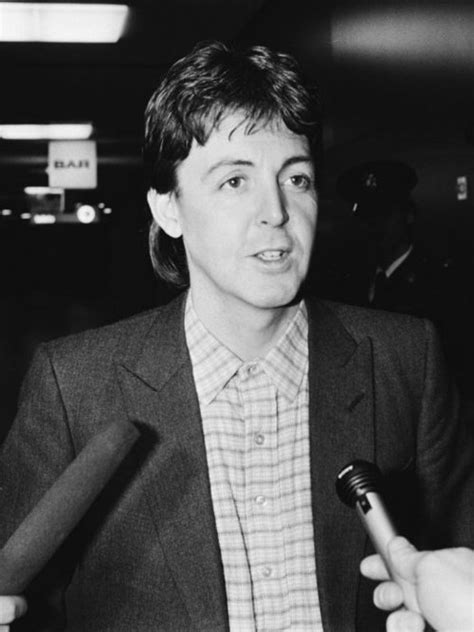
The Influence Of Mary McCartney
One of the most significant events in Paul McCartney’s early life was the death of his mother.
In 1956, Mary McCartney died from complications following surgery. Paul was only fourteen years old.
The loss had a profound effect on him and became one of the defining experiences of his youth.
Years later, McCartney reflected on how this tragedy helped shape his outlook on life and strengthened his determination to succeed. It also created an unexpected bond with John Lennon, who had similarly lost his mother at a young age.
Many Beatles historians believe that this shared experience helped Lennon and McCartney develop a deeper understanding of one another during their formative years.
Mary McCartney would continue to influence Paul’s life long after her death. Most famously, he later explained that the song Let It Be was inspired by a dream in which his mother appeared and offered words of reassurance during a difficult period.
As a result, Mary’s influence can still be heard in one of the most beloved songs in The Beatles’ catalogue.
Discover detailed guides to every Beatles album, from Please Please Me through to Let It Be. Learn when each album was recorded and released, explore complete track listings and uncover the history behind the records that changed popular music forever.
Facts About Paul McCartney
Full Name: James Paul McCartney
Born: 18 June 1942
Birthplace: Liverpool, England
Occupation: Musician, Singer, Songwriter, Composer, Producer
Instruments:
- Bass Guitar
- Guitar
- Piano
- Drums
- Keyboards
Best Known For:
- The Beatles
- Wings
- Solo Career
Songwriting Partnership:
Famous Songs:
- Hey Jude
- Let It Be
- Blackbird
- Eleanor Rigby
- Penny Lane
Honours:
- Knighted in 1997
- Multiple Grammy Awards
- Rock and Roll Hall of Fame inductee
How Paul McCartney Met John Lennon
One of the most important moments in popular music history took place on 6 July 1957.
On that day, fifteen-year-old Paul McCartney attended a church fete in Woolton, Liverpool, where a local skiffle group called The Quarrymen was performing. The group was led by sixteen-year-old John Lennon.
Following the performance, a mutual friend introduced McCartney to Lennon.
McCartney impressed Lennon by playing guitar, demonstrating his knowledge of popular music and showing a level of musical ability that immediately stood out. After some consideration, Lennon invited him to join The Quarrymen.
That decision would ultimately lead to the formation of The Beatles.
The meeting between Lennon and McCartney remains one of the most important events in modern music history and marked the beginning of a friendship and creative partnership that would change popular music forever.
Read more: How Paul McCartney Met John Lennon
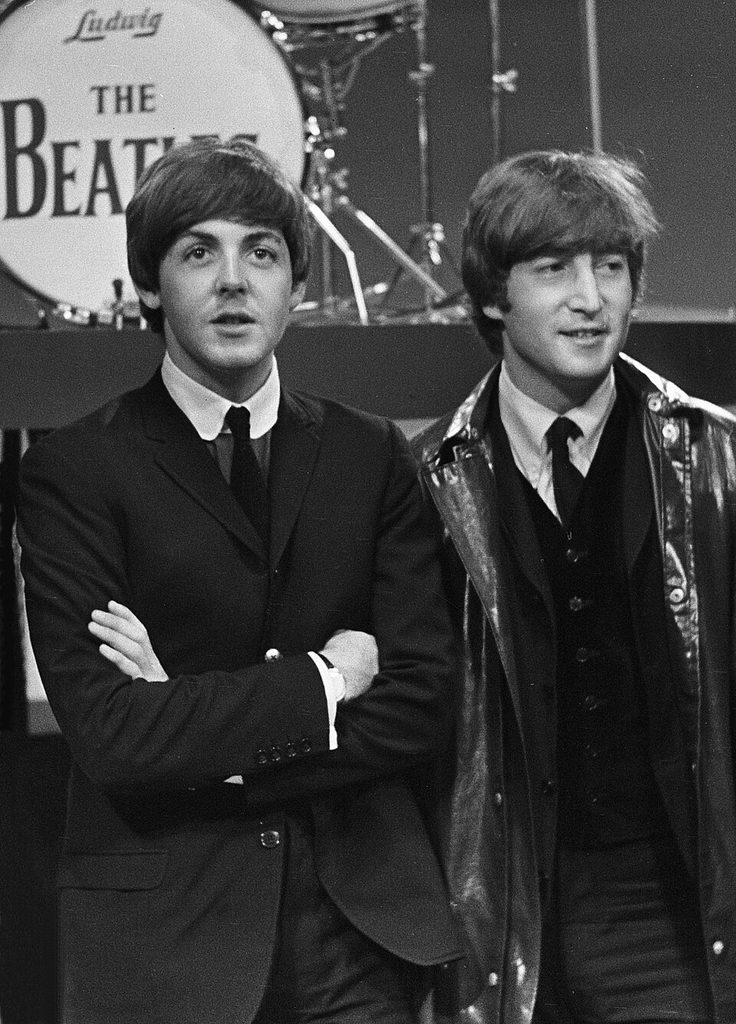
The Lennon-McCartney Partnership
The song writing partnership between John Lennon and Paul McCartney is widely regarded as one of the greatest creative collaborations ever formed.
Beginning in their teenage years, the pair developed a unique approach to songwriting that combined competition, cooperation and mutual respect.
Although each writer possessed distinct strengths, together they created a catalogue of songs that transformed popular music.
Throughout the 1960s, the Lennon-McCartney partnership produced classics including:
- In My Life
- Eleanor Rigby
- Penny Lane
- Hey Jude
- Let It Be
The pair agreed early on that their songs would generally be credited jointly, regardless of who contributed the majority of the material.
This arrangement helped establish the famous Lennon-McCartney credit that appears on many of The Beatles’ most celebrated recordings.
The influence of the partnership remains enormous and continues to inspire songwriters around the world.
Read more: The Lennon-McCartney Partnership
Explore the fascinating history of The Beatles, from their early days in Liverpool to becoming the most successful and influential band in popular music history. Discover the people, places and events that shaped the band’s remarkable journey and lasting legacy.
Paul McCartney And The Beatles
When The Beatles emerged from Liverpool’s thriving music scene during the early 1960s, Paul McCartney quickly became one of the band’s central figures.
As bassist, vocalist and songwriter, he contributed to every stage of the group’s development.
During the Beatlemania years, McCartney helped create many of the songs that established The Beatles as Britain’s most successful band. As the group’s ambitions grew, he became increasingly involved in shaping their musical direction.
Albums such as:
Demonstrated the band’s remarkable evolution and McCartney’s growing influence as a songwriter and musician.
His versatility allowed him to contribute everything from piano ballads and acoustic songs to hard rock and experimental recordings.
By the end of the 1960s, McCartney had become one of the most recognisable musicians in the world.
Paul McCartney’s Place In Beatles History
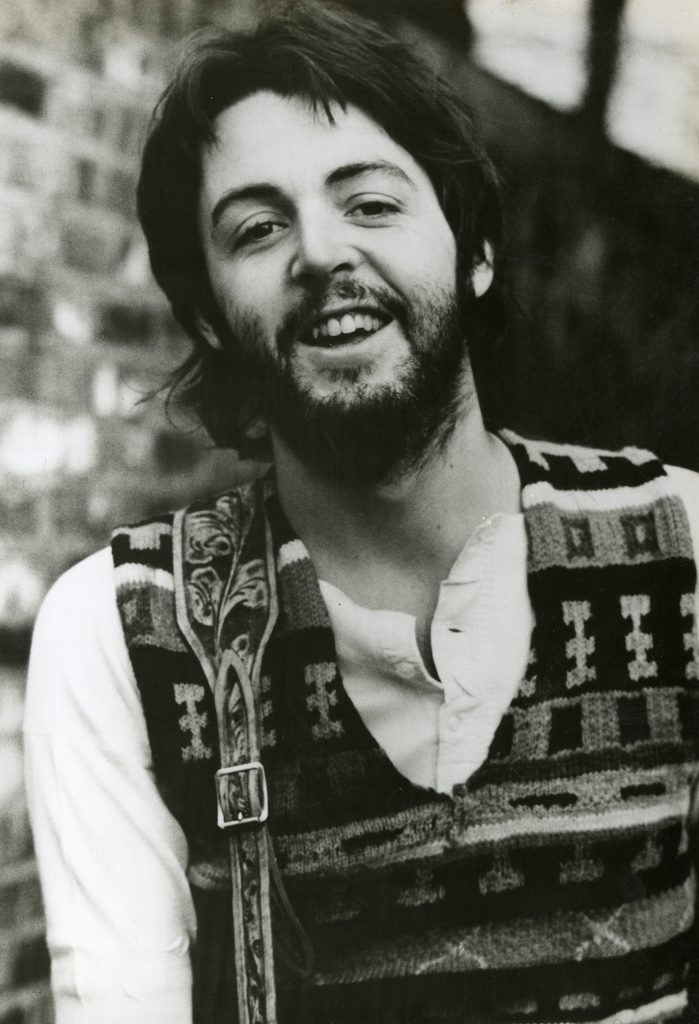
While every member of The Beatles made important contributions to the band’s success, many historians regard Paul McCartney as one of the group’s central creative forces.
As a songwriter, bassist, vocalist and musician, McCartney played a major role in shaping the sound and direction of The Beatles throughout the 1960s. His ability to combine commercial appeal with artistic ambition helped the band appeal to a broad audience while continuing to evolve creatively.
During the later years of The Beatles, McCartney often encouraged the group to pursue ambitious new projects and recording techniques. Albums such as Sgt. Pepper’s Lonely Hearts Club Band, Magical Mystery Tour and Abbey Road all benefited from his enthusiasm for experimentation and innovation.
At the same time, he remained one half of the Lennon-McCartney partnership, a collaboration responsible for many of the most celebrated songs in popular music history.
Although the success of The Beatles depended upon the unique talents of all four members, McCartney’s influence on the band’s music, recordings and long-term legacy remains impossible to overlook.
Related Paul McCartney Articles
Readers interested in Paul McCartney may also enjoy:
- The Lennon-McCartney Partnership
- Paul McCartney And Wings
- Paul McCartney’s Bass Playing Style
- Paul McCartney’s Greatest Beatles Songs
- How Paul McCartney Met John Lennon
Paul McCartney’s Bass Playing
Although McCartney is often celebrated for his songwriting, many musicians consider his bass playing equally important.
Originally a guitarist, he moved to bass when The Beatles required a replacement following the departure of Stuart Sutcliffe.
Over time, McCartney developed a highly melodic approach that helped redefine the role of bass guitar in popular music.
Rather than simply supporting the rhythm, his bass lines frequently acted as secondary melodies, adding movement and complexity to Beatles recordings.
Songs such as:
- Rain
- Paperback Writer
- Something
- Come Together
remain admired by bass players around the world.
His famous Höfner violin bass became one of the most recognisable instruments in music history and remains closely associated with his image.
Read more: Paul McCartney’s Bass Playing Style
Paul McCartney As A Multi-Instrumentalist
One reason for McCartney’s extraordinary success is his ability to play multiple instruments.
Although best known as a bassist, he is also an accomplished:
- Guitarist
- Pianist
- Drummer
- Keyboard Player
- Composer
Throughout his career, he has frequently played several instruments on his own recordings.
This versatility allowed him to contribute ideas across every stage of the recording process and helped make him one of the most complete musicians of his generation.
His ability to move effortlessly between instruments remains one of the defining features of his musicianship.
Learn more about the four musicians who changed popular music forever. Explore the lives, careers and contributions of John Lennon, Paul McCartney, George Harrison and Ringo Starr, from their Beatles years to their achievements beyond the band.
Paul McCartney’s Greatest Beatles Songs
Paul McCartney was responsible for many of the most famous songs in The Beatles’ catalogue.
Among his most celebrated compositions are:
- Yesterday
- Eleanor Rigby
- Penny Lane
- Blackbird
- Hey Jude
- Let It Be
- The Long And Winding Road
Each demonstrates a different aspect of his songwriting ability.
Some showcase his gift for melody, while others highlight his storytelling, emotional depth or willingness to experiment.
Together, these songs helped establish his reputation as one of the greatest songwriters in music history.
Read more: Paul McCartney’s Greatest Beatles Songs
Paul McCartney And Liverpool
Despite becoming one of the world’s most famous musicians, McCartney has remained closely associated with Liverpool throughout his life.
The city shaped his early experiences, introduced him to music and provided the setting for many important events in his life.
Liverpool also inspired several Beatles songs, most notably Penny Lane.
Today, visitors from around the world continue to explore locations connected to McCartney and The Beatles, including childhood homes, schools and famous landmarks associated with the band’s story.
Liverpool remains central to understanding both Paul McCartney’s life and the wider history of The Beatles.
Beatlemania And Worldwide Fame
By 1963, The Beatles had become the most popular band in Britain, and Paul McCartney suddenly found himself at the centre of a cultural phenomenon that would become known as Beatlemania.
The group’s success was unlike anything previously seen in popular music. Their records topped the charts, their concerts attracted thousands of screaming fans and their public appearances generated enormous media attention. What began as a local Liverpool success story quickly developed into an international movement.
As one of the band’s principal songwriters and vocalists, McCartney became one of the most recognisable faces in the world. His boyish charm, musical talent and approachable personality helped make him a favourite among fans.
The Beatles’ arrival in the United States in 1964 transformed them from British stars into global celebrities. Their appearance on The Ed Sullivan Show introduced millions of American viewers to the group and helped launch the British Invasion.
During this period, McCartney was involved in an almost relentless schedule of:
- Recording sessions
- Television appearances
- International tours
- Press conferences
- Film projects
Despite the pressures of fame, he continued writing songs at an extraordinary rate and played a central role in maintaining the band’s creative momentum.
Beatlemania made Paul McCartney one of the most famous people on the planet, a position he has largely maintained ever since.
Songs
Ready to take a trip down The Long And Winding Road? Explore The Beatles’ extraordinary catalogue of songs, from timeless classics and chart-topping hits to hidden gems and album favourites. Discover the stories, recording history and fascinating facts behind the music that changed the world.
Albums
Journey through every Beatles album, from Please Please Me to Let It Be. Explore album histories, release information, recording details and complete track listings from one of the greatest catalogues in music history.
History
Want to know how four young musicians from Liverpool became the biggest band in the world? Follow The Beatles’ incredible journey from The Cavern Club and Hamburg to worldwide fame, Beatlemania and musical immortality.
Paul McCartney And Creativity
One of the most remarkable aspects of Paul McCartney’s career is his extraordinary creative output.
While many musicians experience brief periods of inspiration, McCartney has continued writing, recording and performing music for more than sixty years. Throughout that time he has demonstrated a seemingly endless ability to generate new ideas.
Unlike songwriters who specialise in a single style, McCartney has successfully written:
- Rock songs
- Ballads
- Love songs
- Children’s songs
- Experimental recordings
- Classical compositions
- Film music
His creative process varies considerably. Some songs begin with a melody, others with a lyric, a chord progression or even a simple musical phrase.
McCartney has often described carrying notebooks, recording ideas or sitting at a piano and allowing melodies to develop naturally. This willingness to experiment has enabled him to remain productive throughout his career.
One of his greatest strengths is his ability to combine accessibility with sophistication. Songs such as Yesterday, Hey Jude and Let It Be are instantly memorable while also displaying considerable musical craftsmanship.
His creativity remains one of the key reasons he continues to attract audiences decades after The Beatles first emerged.
Paul McCartney And Innovation In The Recording Studio
Paul McCartney is often remembered as a songwriter and performer, but his influence within the recording studio was equally important.
Throughout the 1960s, The Beatles became increasingly interested in pushing the boundaries of what popular music could achieve. McCartney frequently encouraged experimentation and was often eager to explore new sounds, recording techniques and musical ideas.
His interests extended beyond traditional rock and roll and included classical music, avant-garde composition and experimental art. These influences helped shape some of The Beatles’ most ambitious recordings.
Albums such as Revolver and Sgt. Pepper’s Lonely Hearts Club Band featured innovative production techniques that were considered ground breaking at the time. Working alongside producer George Martin and the engineering team at Abbey Road Studios, McCartney helped transform the recording studio into a creative instrument in its own right.
Whether experimenting with tape loops, orchestral arrangements or unusual sound effects, McCartney played a significant role in expanding the possibilities of modern recording. Many techniques first explored during this period would later become standard practice throughout the music industry.
His willingness to embrace experimentation helped ensure that The Beatles remained at the forefront of popular music throughout their career.
The Beatles’ Later Years
By the late 1960s, The Beatles had evolved far beyond the energetic Liverpool group that had first achieved success earlier in the decade.
Albums such as:
demonstrated increasing musical sophistication and artistic ambition.
During this period, McCartney often played a leading role in encouraging new projects and pushing the band into unexplored territory. His enthusiasm for experimentation helped produce some of the most celebrated recordings in popular music history.
At the same time, however, personal and business pressures were beginning to affect the group.
As each member developed individual interests and ambitions, tensions occasionally emerged. Historians continue to debate the relative importance of the various factors that contributed to the band’s eventual breakup, but it is clear that the final years of The Beatles were both highly productive and increasingly complicated.
Despite these challenges, McCartney continued producing memorable songs and remained committed to the group’s success until its final years.
Paul McCartney And Wings
Following the breakup of The Beatles in 1970, many observers wondered whether Paul McCartney could achieve success outside the world’s most famous band.
Rather than simply continuing as a solo artist, McCartney decided to form a new group.
That band became Wings.
Founded in 1971, Wings allowed McCartney to experience the energy and collaboration of working within a band once again. The group featured his wife Linda McCartney and former Moody Blues member Denny Laine, among others.
Although the early years were sometimes challenging, Wings gradually developed into one of the most successful bands of the 1970s.
The group produced numerous hit singles and albums, including:
- Band On The Run
- Jet
- Live And Let Die
- My Love
- Mull Of Kintyre
For many fans, Wings represented proof that McCartney’s success was not solely dependent upon The Beatles.
Read more: Paul McCartney And Wings
Paul McCartney’s Solo Career
While Wings became a major success, McCartney’s solo career has been equally impressive.
Few musicians have remained commercially and creatively active for as long as Paul McCartney.
Throughout the 1970s, 1980s, 1990s and beyond, he continued releasing albums, collaborating with other artists and exploring new musical directions.
His solo work has ranged from straightforward rock recordings to orchestral compositions and experimental projects.
Notable albums include:
- McCartney
- Ram
- Tug Of War
- Flaming Pie
- Chaos and Creation in the Backyard
- Egypt Station
- McCartney III
The longevity of his solo career is particularly remarkable.
Many artists struggle to maintain relevance after a decade or two. McCartney has remained active for more than sixty years while continuing to attract audiences from multiple generations.
His ability to adapt without abandoning the qualities that made him successful has helped ensure his continued popularity.
Paul McCartney And Classical Music
Although best known for rock and pop music, Paul McCartney has also enjoyed a successful career as a composer of classical works.
His interest in orchestral music dates back to his Beatles years, when songs such as Yesterday and Eleanor Rigby demonstrated his appreciation for classical arrangements and instrumentation.
Following The Beatles, McCartney increasingly explored classical composition. Over the years he has created orchestral works, choral pieces and large-scale compositions that have been performed by professional orchestras around the world.
Among his best-known classical projects is the Liverpool Oratorio, a work first performed in 1991 and inspired by his memories of growing up in Liverpool. The piece demonstrated his ability to move beyond popular music and explore different forms of musical expression.
While his classical output is sometimes overshadowed by his work with The Beatles and Wings, it highlights the remarkable breadth of his musical interests and his willingness to challenge himself creatively throughout his career.
Paul McCartney And Linda McCartney
One of the most important relationships in Paul McCartney’s life was his marriage to Linda McCartney.
The couple married in 1969 and remained together until Linda’s death in 1998.
Throughout their marriage, Linda became far more than simply the spouse of a famous musician. She was a photographer, musician, business partner and creative collaborator.
Linda played a key role in Wings and appeared on numerous recordings and tours. Her support helped McCartney navigate the difficult years following the breakup of The Beatles and contributed significantly to the success of his post-Beatles career.
The couple also became known for their commitment to:
- Family life
- Animal welfare
- Vegetarianism
- Environmental causes
Many fans regard Paul and Linda McCartney as one of the most enduring partnerships in popular music.
Their relationship remains an important part of McCartney’s personal and professional story.
Live Performance And Touring
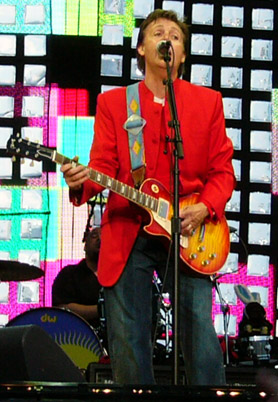
Paul McCartney is widely regarded as one of the greatest live performers in popular music history.
Unlike many artists of his generation, he has continued touring well into later life, regularly performing lengthy concerts featuring material from:
- The Beatles
- Wings
- His solo career
His concerts often last several hours and include many of the most famous songs ever recorded.
Audiences attending a Paul McCartney concert may hear:
- Hey Jude
- Let It Be
- Live And Let Die
- Band On The Run
- Blackbird
- Yesterday
Few musicians possess a catalogue capable of sustaining such performances.
His continued success as a live performer demonstrates both the enduring appeal of his music and his extraordinary dedication to entertaining audiences.
Charity Work And Causes
Throughout his life, Paul McCartney has supported a wide range of charitable and humanitarian causes.
He has frequently used his public profile to raise awareness of issues including:
- Animal welfare
- Environmental protection
- Music education
- Humanitarian aid
Alongside Linda McCartney, he became a prominent advocate of vegetarianism and animal rights.
His involvement in charitable initiatives has extended far beyond music and reflects a long-standing commitment to causes he considers important.
Awards And Honours
Few musicians have received as many honours as Paul McCartney.
Throughout his career, he has been recognised for his achievements as a songwriter, performer and cultural figure.
Among his many honours are:
- Knighthood for services to music
- Multiple Grammy Awards
- Induction into the Rock and Roll Hall of Fame as a member of The Beatles
- Induction into the Rock and Roll Hall of Fame as a solo artist
- Numerous songwriting awards
- International recognition for his contribution to music
These honours reflect not only commercial success but also the respect he has earned throughout the music industry.
Why Is Paul McCartney Important?
Paul McCartney’s importance extends far beyond his role as a member of The Beatles.
As a songwriter, he helped create some of the most successful and influential music ever recorded.
As a musician, he transformed perceptions of what a bass player could contribute to a band.
As a performer, he has entertained audiences across multiple generations.
As a creative artist, he has continually reinvented himself while maintaining an extraordinary level of productivity.
Few individuals have had a greater influence on popular music.
The songs he helped create continue to be played around the world, while his approach to songwriting remains a model for aspiring musicians.
For many historians, Paul McCartney represents one of the defining figures of modern music.
Why Paul McCartney Remains Relevant Today
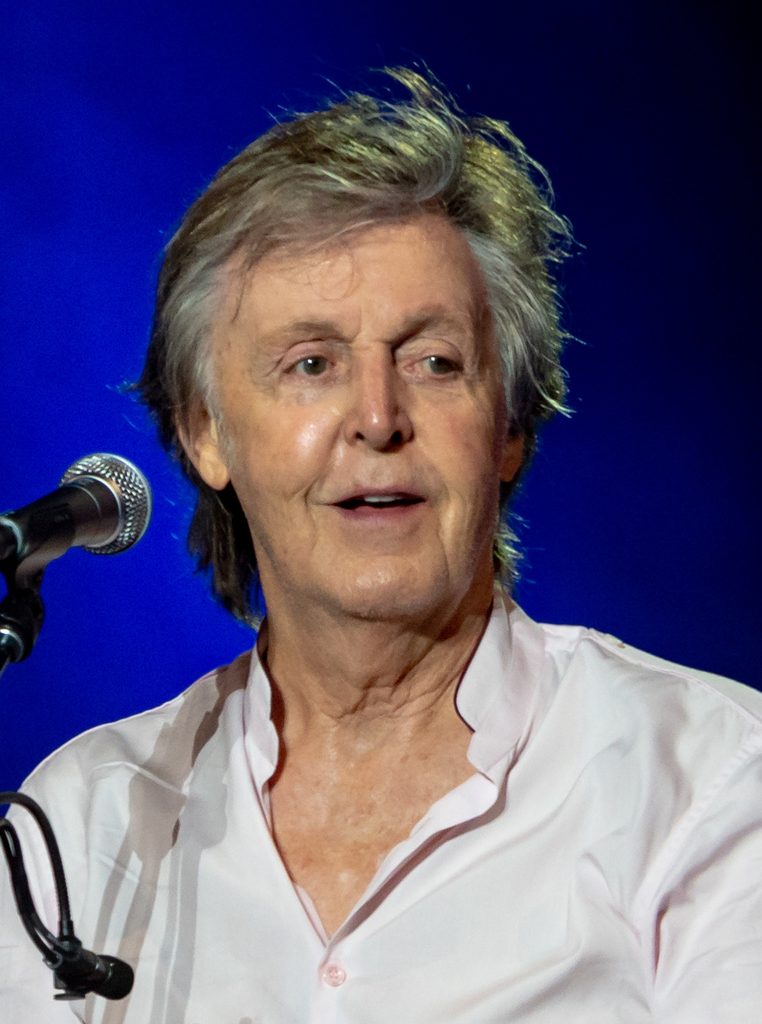
More than sixty years after first achieving fame, Paul McCartney continues to attract new audiences.
His music remains popular on streaming services, while younger listeners continue to discover The Beatles through albums, documentaries and live performances.
Unlike many artists whose careers are confined to a particular era, McCartney has remained culturally relevant across multiple generations.
His willingness to embrace new technologies, collaborate with younger artists and continue touring has helped maintain his profile well into the twenty-first century.
As a result, Paul McCartney remains not only an important historical figure but also a contemporary artist whose work continues to evolve.
Essential Paul McCartney Albums
Following the breakup of The Beatles in 1970, Paul McCartney embarked on one of the most successful post-Beatles careers of any member of the group. Through his work as a solo artist and with Wings, he released a diverse catalogue of albums that demonstrated his creativity, versatility and enduring popularity.
From intimate home recordings and chart-topping rock albums to ambitious studio projects and modern releases, McCartney’s post-Beatles catalogue spans more than five decades and continues to attract new listeners around the world.
The albums below provide an overview of some of the most significant releases from his career beyond The Beatles.
McCartney (1970)
McCartney’s first solo album introduced listeners to his post-Beatles sound and featured the classic song Maybe I’m Amazed. Recorded largely at home, the album reflected his desire for creative independence following the breakup of The Beatles.
Ram (1971)
Recorded with Linda McCartney, Ram has grown significantly in reputation over the years and is now widely regarded as one of the finest albums of McCartney’s career. Its inventive song writing and eclectic style have earned it a devoted following among fans and critics alike.
Wild Life (1971)
The debut album by Wings, Wild Life marked the beginning of a new chapter in McCartney’s musical journey. Although initially receiving mixed reviews, it established the foundations for the band’s future success.
Red Rose Speedway (1973)
Featuring the hit single My Love, this album helped establish Wings as a serious commercial force and demonstrated McCartney’s continued ability to write memorable songs.
Band On The Run (1973)
Often regarded as the definitive Wings album, Band On The Run remains one of the most celebrated releases of McCartney’s career. Songs such as Band On The Run and Jet helped make it a worldwide success.
Venus And Mars (1975)
Released during Wings’ most successful period, Venus And Mars became a major commercial hit and further established the band as one of the leading acts of the 1970s.
Wings At The Speed Of Sound (1976)
This successful album showcased the talents of the entire Wings line-up and produced several hit singles while helping maintain the band’s enormous popularity.
Wings Over America (1976)
Widely regarded as one of the finest live albums of the decade, Wings Over America captured the band at the height of its touring success and introduced many fans to McCartney’s post-Beatles catalogue.
London Town (1978)
Combining polished production with strong song writing, London Town demonstrated McCartney’s ability to evolve while maintaining the melodic style that had made him famous.
Back To The Egg (1979)
The final studio album released by Wings, Back To The Egg reflected changing musical trends and marked the end of an important era in McCartney’s career.
McCartney II (1980)
Experimental and unconventional, McCartney II showcased Paul’s interest in synthesizers, home recording and musical experimentation.
Tug Of War (1982)
Produced by George Martin, this critically acclaimed album represented a major creative success and included some of McCartney’s strongest post-Beatles work.
Pipes Of Peace (1983)
Released during a productive period in McCartney’s solo career, the album featured several successful singles and continued his commercial success during the 1980s.
Flowers In The Dirt (1989)
This album marked a creative resurgence and included collaborations with Elvis Costello, helping introduce McCartney’s music to a new audience.
Off The Ground (1993)
Recorded with his touring band, Off The Ground reflected McCartney’s renewed enthusiasm for live performance and collaborative recording.
Flaming Pie (1997)
Released during a period of renewed interest in The Beatles following the Anthology project, Flaming Pie received widespread critical acclaim and showcased McCartney’s song writing strengths.
Driving Rain (2001)
Created during a period of personal change, Driving Rain demonstrated McCartney’s continued willingness to experiment and evolve as an artist.
Chaos And Creation In The Backyard (2005)
Frequently cited among McCartney’s finest later albums, this release earned praise for its song writing, production and reflective tone.
Memory Almost Full (2007)
A commercially successful album that combined modern production with classic McCartney melodies and demonstrated his continued relevance in contemporary music.
New (2013)
Produced by several modern producers, New highlighted McCartney’s willingness to collaborate with younger musicians while continuing to explore fresh musical ideas.
Egypt Station (2018)
A commercial success that reached number one in the United States, Egypt Station proved that McCartney remained capable of attracting audiences decades into his career.
McCartney III (2020)
Recorded largely by McCartney himself, McCartney III reflected the same independent spirit that characterised his earliest solo work and introduced his music to a new generation of listeners.
McCartney III Imagined (2021)
Featuring reinterpretations of songs from McCartney III by a variety of contemporary artists, this project demonstrated McCartney’s continuing influence on modern music.
The Legacy Of Paul McCartney
Paul McCartney’s legacy is one of extraordinary achievement.
As a member of The Beatles, he helped create a body of work that transformed popular music and influenced countless musicians around the world.
Through Wings, he demonstrated that success beyond The Beatles was possible, creating some of the most memorable recordings of the 1970s.
As a solo artist, he has continued to release music, perform internationally and inspire new generations of listeners.
His contributions to songwriting, bass playing, recording and live performance have helped shape the direction of modern music for more than six decades.
Songs such as Yesterday, Hey Jude, Let It Be, Blackbird and Penny Lane remain part of the cultural landscape and continue to connect with audiences around the world.
Few musicians have enjoyed a career as long, varied and successful as Paul McCartney’s.
For Beatles fans, he remains a central figure in one of the greatest stories in music history. For music lovers more generally, he stands as one of the most influential artists ever to pick up an instrument.
Key Dates In Paul McCartney’s Life
- 1942 – Born in Liverpool
- 1957 – Meets John Lennon
- 1957 – Joins The Quarrymen
- 1960 – The Beatles formed
- 1970 – The Beatles break up
- 1971 – Wings formed
- 1997 – Knighted for services to music
- Present – Continues recording and touring
Frequently Asked Questions About Paul McCartney
How Old Is Paul McCartney?
Paul McCartney was born on 18 June 1942 and remains one of the most active and successful musicians of his generation.
When Did Paul McCartney Join The Beatles?
Paul McCartney joined John Lennon’s group, The Quarrymen, in 1957. The group later evolved into The Beatles.
Did Paul McCartney Write Yesterday?
Yes. Yesterday was written primarily by Paul McCartney and remains one of the most covered songs in music history.
Did Paul McCartney Write Hey Jude?
Yes. McCartney wrote Hey Jude in 1968. It became one of The Beatles’ biggest international hits.
What Was Wings?
Wings was the band formed by Paul McCartney following the breakup of The Beatles. The group became one of the most successful acts of the 1970s.
Is Paul McCartney Still Touring?
Yes. Paul McCartney continues to perform live and remains an active touring musician.
What Bass Guitar Did Paul McCartney Play?
He is most closely associated with the Höfner violin bass, one of the most recognisable instruments in music history.
What Is Paul McCartney’s Most Famous Song?
Many people would consider Yesterday, Hey Jude or Let It Be among his most famous compositions.
How Many Songs Has Paul McCartney Written?
Paul McCartney has written or co-written hundreds of songs throughout his career with The Beatles, Wings and as a solo artist. His catalogue includes some of the most successful and frequently performed songs in popular music history, helping establish him as one of the most influential songwriters of all time.
Why Is Paul McCartney Famous?
He is famous as a member of The Beatles, a founder of Wings and one of the most successful songwriters in popular music history.
Why Is Paul McCartney Important To Music History?
Paul McCartney helped shape modern popular music through his songwriting, musicianship and influence on generations of artists around the world.
- The Death of John Lennon
 John Lennon’s death on 8 December 1980 shocked millions around the world. This article examines the events of that day, the global reaction and the lasting legacy of one of music’s most influential figures.
- John Lennon’s Greatest Beatles SongsExplore John Lennon’s greatest Beatles songs, from Help! and In My Life to Strawberry Fields Forever and Come Together, and discover the albums and stories behind his most influential recordings.
- Why Did John Lennon Write Strawberry Fields Forever?Discover why John Lennon wrote Strawberry Fields Forever, exploring the Liverpool childhood memories, song writing inspiration and ground breaking recording techniques behind one of The Beatles’ most famous songs.
- John Lennon’s Solo CareerExplore John Lennon’s solo career, from Plastic Ono Band and Imagine to Double Fantasy, including his albums, songs, influences and lasting musical legacy.

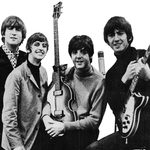


Meet The Beatles
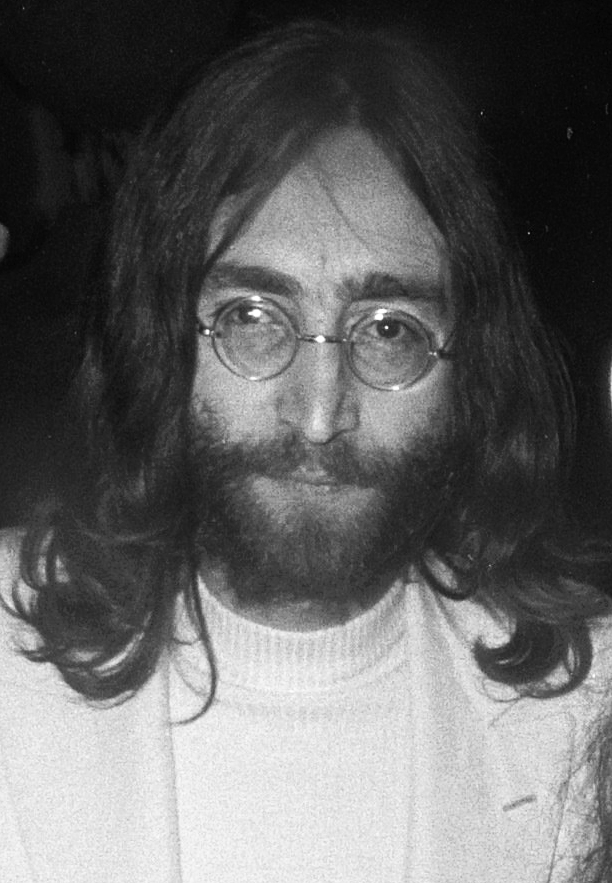
John Lennon
John Lennon was a founding member of The Beatles and one half of the legendary Lennon-McCartney song writing partnership. As a singer, songwriter and rhythm guitarist, Lennon played a central role in the band’s development and was responsible for many of its most influential songs.
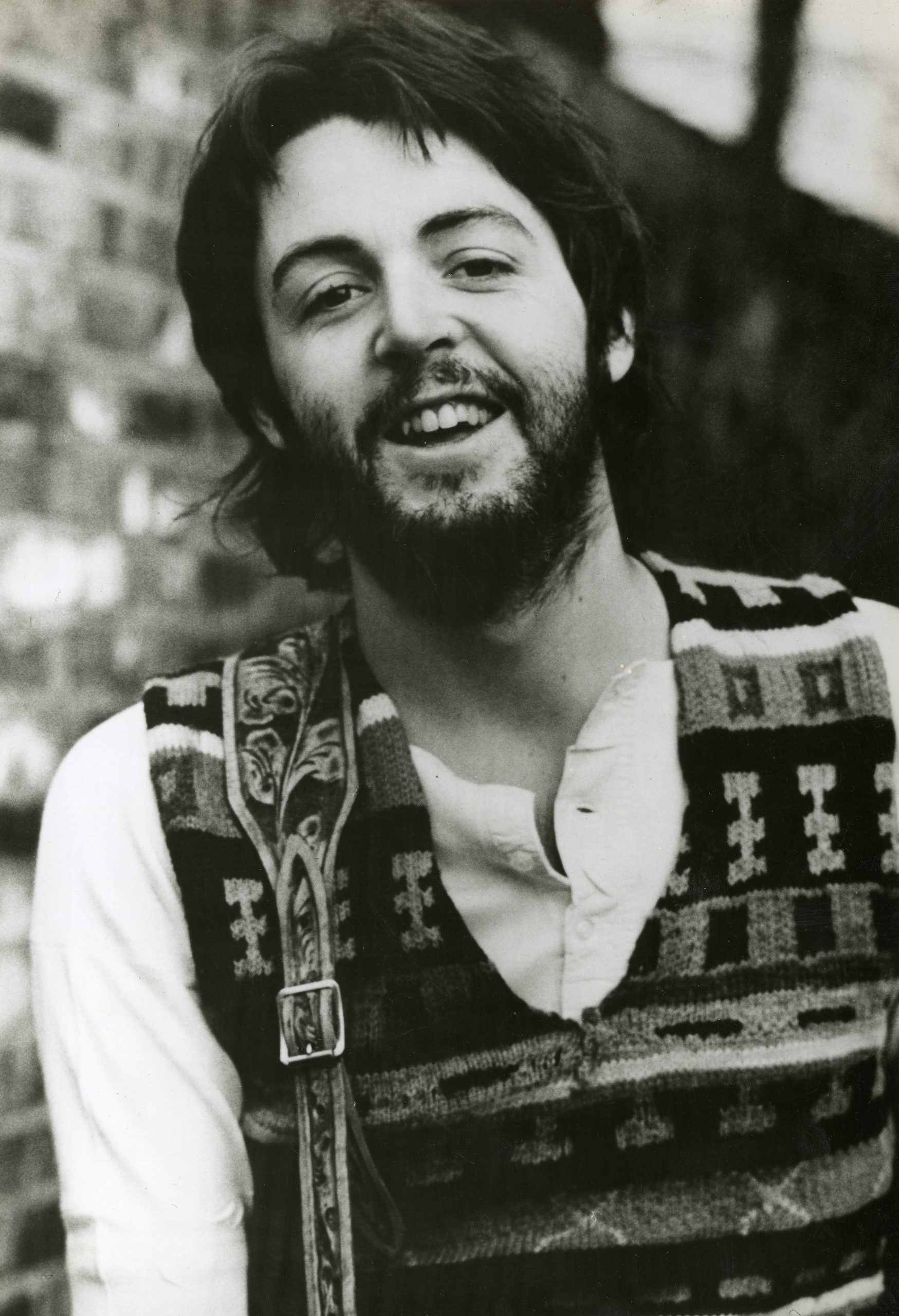
Paul McCartney
Paul McCartney joined John Lennon’s group in 1957 and became one of the most successful songwriters in music history. As bassist, singer and songwriter, McCartney contributed countless classics and remains one of the most recognisable figures in popular music.
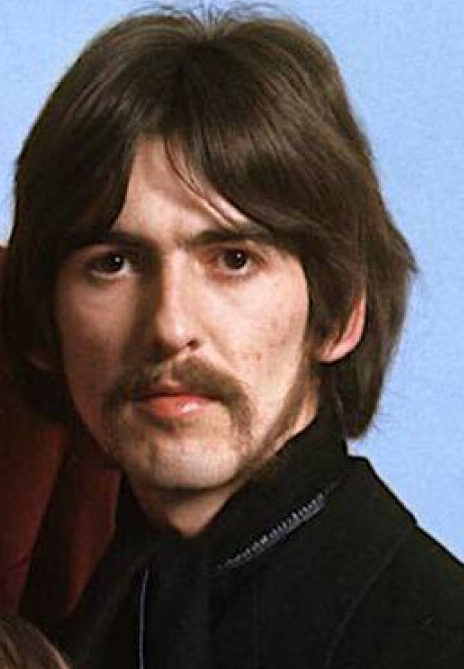
George Harrison
George Harrison joined the group while still a teenager and developed into an accomplished guitarist, singer and songwriter. Often referred to as “The Quiet Beatle”, Harrison helped expand the band’s musical horizons through his interest in Indian music and spiritual influences.
Ringo Starr
Ringo Starr became The Beatles’ drummer in 1962 and quickly established himself as an essential part of the group. His distinctive drumming style, humour and stage presence helped make him one of the most popular members of the band.