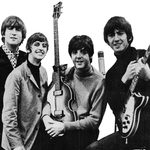
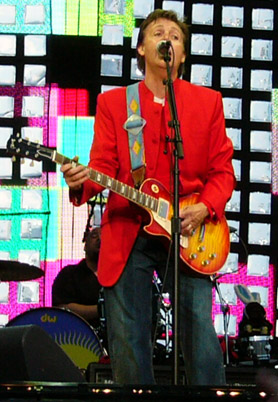
When discussing Paul McCartney’s contribution to The Beatles, most people immediately think of his songwriting. As one half of the Lennon-McCartney partnership, he helped create some of the most famous songs in music history.
However, many musicians consider another aspect of his work equally important: his bass playing.
Before The Beatles, bass guitar was often viewed primarily as a rhythm instrument responsible for supporting the song’s harmony and keeping time alongside the drums. McCartney helped change that perception by developing a melodic and inventive style that made the bass guitar a key part of many Beatles recordings.
Today, he is widely regarded as one of the most influential bass players in popular music history. His performances continue to be studied by musicians and have inspired generations of bass players across multiple genres.
How Did Paul McCartney Become The Beatles’ Bass Player?
Paul McCartney did not originally intend to become a bass guitarist.
In the early days of The Beatles, he primarily played guitar and piano. However, when original bassist Stuart Sutcliffe left the group in 1961, a replacement was needed.
McCartney reluctantly agreed to take over bass duties.
Although he initially viewed the instrument as less glamorous than guitar, he soon began developing a unique style that would help redefine the role of the bass guitar in popular music.
Over time, what began as a practical necessity became one of the defining elements of The Beatles’ sound.
From chart-topping classics and hidden album tracks to song writing history, recording details, song meanings and fascinating facts, discover the stories behind some of the greatest songs ever recorded.
The Famous Höfner Bass
No discussion of Paul McCartney’s bass playing would be complete without mentioning his famous Höfner violin bass.
Purchased during The Beatles’ early years in Hamburg, Germany, the instrument became closely associated with McCartney’s image.
The bass offered several advantages:
- Lightweight construction
- Distinctive appearance
- Comfortable shape for a left-handed player
- Warm, rounded tone
The instrument’s violin-like design became one of the most recognisable bass guitars in music history.
Even decades later, many fans immediately associate the Höfner bass with Paul McCartney and The Beatles.
A Different Approach To Bass Playing
One reason McCartney’s bass playing stood out was that he approached the instrument differently from many of his contemporaries.
Instead of simply playing root notes, he often created melodic lines that interacted with the vocal melody and other instruments.
His bass parts frequently acted as secondary melodies within the song.
This approach added movement, depth and musical interest to Beatles recordings and helped create a richer overall sound.
Many later bass players adopted similar techniques, making McCartney’s influence felt far beyond The Beatles themselves.
Discover detailed guides to every Beatles album, from Please Please Me through to Let It Be. Learn when each album was recorded and released, explore complete track listings and uncover the history behind the records that changed popular music forever.
Musical Influences
Paul McCartney’s bass style was influenced by a wide range of musical traditions.
These included:
- Rock and roll
- Rhythm and blues
- Motown
- Jazz
- Classical music
He admired musicians who approached music melodically and often attempted to apply similar ideas to the bass guitar.
His broad musical interests helped him create bass lines that were often more adventurous than those typically heard in popular music during the early 1960s.
The Beatles’ Early Recordings
During The Beatles’ early years, McCartney’s bass playing was relatively straightforward.
Albums such as:
- Please Please Me
- With The Beatles
- A Hard Day’s Night
featured bass parts that supported the songs effectively while demonstrating increasing confidence.
As the band’s songwriting matured, however, McCartney’s bass lines became more ambitious.
This development mirrored The Beatles’ overall musical growth.
Learn more about the four musicians who changed popular music forever. Explore the lives, careers and contributions of John Lennon, Paul McCartney, George Harrison and Ringo Starr, from their Beatles years to their achievements beyond the band.
The Evolution Of McCartney’s Bass Playing
The mid-1960s marked a turning point.
Albums such as:
- Rubber Soul
- Revolver
- Sgt. Pepper’s Lonely Hearts Club Band
allowed McCartney to experiment with increasingly sophisticated bass arrangements.
Recording technology was improving and The Beatles were spending more time in the studio than on tour.
This environment encouraged greater creativity and gave McCartney opportunities to refine his approach.
Many of his most celebrated bass performances emerged during this period.
Famous Paul McCartney Bass Lines
Several Beatles songs are frequently cited as examples of McCartney’s exceptional bass playing.
Paperback Writer
Often regarded as one of the first Beatles recordings to feature a prominently mixed bass guitar.
The bass line helped demonstrate how important the instrument could be within a pop recording.
Rain
Many musicians consider this one of McCartney’s greatest performances.
The bass line is melodic, inventive and highly memorable.
Taxman
Although written by George Harrison, the song features some of McCartney’s most energetic and creative bass work.
Something
Frequently cited by bass players as one of the finest bass performances ever recorded.
The melodic bass line moves independently while perfectly supporting the song.
Come Together
The instantly recognisable opening bass figure helped make the song one of The Beatles’ most famous recordings.
Paul McCartney And Studio Innovation
As The Beatles became more adventurous in the studio, McCartney played an important role in exploring new recording techniques.
Producer George Martin and engineer Geoff Emerick helped create recordings that gave greater prominence to the bass guitar.
This allowed listeners to hear details that might previously have been buried in the mix.
The result was a series of recordings that showcased the bass guitar in new and exciting ways.
Explore the fascinating history of The Beatles, from their early days in Liverpool to becoming the most successful and influential band in popular music history. Discover the people, places and events that shaped the band’s remarkable journey and lasting legacy.
Influence On Future Bass Players
Paul McCartney’s influence extends far beyond The Beatles.
Many celebrated bassists have cited him as an inspiration, including musicians from:
- Rock
- Pop
- Progressive Rock
- Alternative Music
- Indie Music
His ability to combine technical skill with memorable melody demonstrated that bass players could play a much larger creative role within a band.
Today, his work continues to be studied by both amateur and professional musicians.
Why Musicians Respect Paul McCartney’s Bass Playing
Musicians often praise McCartney because his bass lines serve the song rather than drawing attention to themselves.
His playing demonstrates:
- Musical intelligence
- Creativity
- Restraint
- Melodic awareness
Rather than focusing on speed or technical complexity, McCartney concentrated on creating parts that improved the overall recording.
This approach has contributed significantly to the lasting appeal of his work.
Paul McCartney’s Legacy As A Bass Player
Although Paul McCartney is often celebrated as a songwriter, singer and Beatle, his contribution to bass guitar should not be overlooked.
His melodic style helped transform the role of the instrument within popular music and influenced countless musicians around the world.
Through songs such as Paperback Writer, Rain, Something and Come Together, he demonstrated how bass guitar could become an essential melodic element rather than simply a supporting instrument.
More than sixty years after many of these recordings were made, his bass lines remain among the most admired in music history.
For many musicians, Paul McCartney is not only one of the greatest songwriters of all time but also one of the most influential bass players ever to pick up the instrument.
Songs
Ready to take a trip down The Long And Winding Road? Explore The Beatles’ extraordinary catalogue of songs, from timeless classics and chart-topping hits to hidden gems and album favourites. Discover the stories, recording history and fascinating facts behind the music that changed the world.
Albums
Journey through every Beatles album, from Please Please Me to Let It Be. Explore album histories, release information, recording details and complete track listings from one of the greatest catalogues in music history.
History
Want to know how four young musicians from Liverpool became the biggest band in the world? Follow The Beatles’ incredible journey from The Cavern Club and Hamburg to worldwide fame, Beatlemania and musical immortality.
Frequently Asked Questions About Paul McCartney’s Bass Playing
What Bass Guitar Did Paul McCartney Use?
Paul McCartney is most closely associated with his Höfner violin bass, which became one of the most recognisable instruments in popular music.
Was Paul McCartney Originally A Bass Player?
No. McCartney originally played guitar and piano before taking over bass duties after Stuart Sutcliffe left The Beatles.
Why Is Paul McCartney Considered A Great Bass Player?
His melodic approach, creativity and ability to serve the song helped redefine the role of bass guitar in popular music.
What Are Paul McCartney’s Best Bass Lines?
Songs frequently praised by musicians include Rain, Paperback Writer, Something, Taxman and Come Together.
Did Paul McCartney Influence Other Bass Players?
Yes. His style has influenced generations of bassists across numerous genres.
What Made Paul McCartney’s Bass Playing Different?
Unlike many bass players of the era, McCartney often created melodic lines that acted as secondary melodies within a song.
- The Death of John Lennon
 John Lennon’s death on 8 December 1980 shocked millions around the world. This article examines the events of that day, the global reaction and the lasting legacy of one of music’s most influential figures.
- John Lennon’s Greatest Beatles SongsExplore John Lennon’s greatest Beatles songs, from Help! and In My Life to Strawberry Fields Forever and Come Together, and discover the albums and stories behind his most influential recordings.
- Why Did John Lennon Write Strawberry Fields Forever?Discover why John Lennon wrote Strawberry Fields Forever, exploring the Liverpool childhood memories, song writing inspiration and ground breaking recording techniques behind one of The Beatles’ most famous songs.
- John Lennon’s Solo CareerExplore John Lennon’s solo career, from Plastic Ono Band and Imagine to Double Fantasy, including his albums, songs, influences and lasting musical legacy.