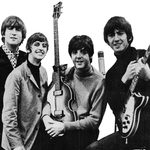

When The Beatles officially broke up in 1970, many fans wondered what would happen next. While all four former Beatles pursued solo careers, it was Paul McCartney who took perhaps the most ambitious step by forming a new band.
That band was Wings.
Formed in 1971, Wings became one of the most successful groups of the 1970s, producing hit singles, chart-topping albums and sold-out tours around the world. Although some critics initially viewed the band as “Paul McCartney’s new project”, Wings eventually established its own identity and became one of the most commercially successful acts of the decade.
Featuring musicians including Linda McCartney and Denny Laine, Wings allowed McCartney to move beyond The Beatles and begin a new chapter in his musical career.
Today, Wings remains an important part of Paul McCartney’s legacy and produced some of the most popular songs of the post-Beatles era.
From chart-topping classics and hidden album tracks to song writing history, recording details, song meanings and fascinating facts, discover the stories behind some of the greatest songs ever recorded.
Why Did Paul McCartney Form Wings?
Following the breakup of The Beatles, Paul McCartney faced one of the greatest challenges of his career.
The Beatles had dominated popular music throughout the 1960s, and any new project would inevitably be compared with one of the most successful bands in history.
After releasing his first solo albums, McCartney decided he wanted the experience of being part of a working band once again. Rather than remaining a solo artist, he sought the creative collaboration, touring opportunities and musical energy that came with a group environment.
In 1971, he formed Wings.
McCartney later explained that he wanted to start almost from scratch and rebuild his career through live performances and hard work rather than relying solely on his Beatles reputation.
The Original Wings Line-Up
The first version of Wings consisted of:
- Paul McCartney
- Linda McCartney
- Denny Laine
- Denny Seiwell
Denny Laine had previously achieved success with The Moody Blues and brought valuable experience to the group.
Linda McCartney’s involvement attracted considerable attention. Although she had little previous experience as a professional musician, Paul believed strongly that she should be part of the band.
The decision received criticism from some observers at the time, but Linda remained a key member of Wings throughout much of the band’s existence.
Discover detailed guides to every Beatles album, from Please Please Me through to Let It Be. Learn when each album was recorded and released, explore complete track listings and uncover the history behind the records that changed popular music forever.
Early Years And Initial Challenges
The early years of Wings were not always easy.
Many music critics compared every new release to The Beatles, making it difficult for the band to establish its own identity. Some reviewers questioned whether Wings could ever match the success of McCartney’s previous group.
The band also experienced several line-up changes during its early years.
Despite these challenges, Wings continued recording, touring and developing its sound. Gradually, audiences began to appreciate the group on its own terms rather than simply viewing it as an extension of The Beatles.
This persistence would eventually pay off.
Wild Life And Red Rose Speedway
The band’s debut album, Wild Life, was released in 1971.
Recorded quickly and with a relatively informal approach, the album received mixed reviews but demonstrated McCartney’s desire to move away from the highly polished studio productions associated with The Beatles.
In 1973, Wings released Red Rose Speedway, which achieved greater commercial success and included the hit single:
- My Love
The album helped establish Wings as a serious recording act and provided momentum for what would become the most successful period of the band’s career.
Learn more about the four musicians who changed popular music forever. Explore the lives, careers and contributions of John Lennon, Paul McCartney, George Harrison and Ringo Starr, from their Beatles years to their achievements beyond the band.
Band On The Run
For many fans and critics, Band On The Run remains the greatest Wings album.
Released in 1973, the album became a major commercial and critical success and is widely regarded as one of the finest records of Paul McCartney’s career.
The album featured several classic songs, including:
- Band On The Run
- Jet
- Let Me Roll It
Despite numerous difficulties during its creation, including personnel changes and challenging recording conditions in Nigeria, the album exceeded expectations and became a worldwide success.
Today, many music historians regard Band On The Run as the album that fully established Wings as a major force in popular music.
Live And Let Die
One of Wings’ most famous recordings was Live And Let Die.
Written for the 1973 James Bond film of the same name, the song became one of Paul McCartney’s most successful post-Beatles compositions.
The recording combined orchestral arrangements, rock instrumentation and dramatic changes in tempo, creating a sound that perfectly suited the Bond franchise.
More than fifty years later, Live And Let Die remains one of McCartney’s most popular concert performances.
Wings At Their Peak
By the mid-1970s, Wings had become one of the biggest bands in the world.
The group achieved:
- Number one albums
- Hit singles
- International tours
- Strong record sales
Unlike many former members of famous bands, McCartney had successfully built a second major career.
The success of Wings demonstrated that his achievements were not solely dependent on The Beatles and confirmed his status as one of the leading musicians of the era.
Explore the fascinating history of The Beatles, from their early days in Liverpool to becoming the most successful and influential band in popular music history. Discover the people, places and events that shaped the band’s remarkable journey and lasting legacy.
Wings Over America
One of the most important milestones in the band’s history was the Wings Over America tour.
The tour allowed McCartney to return to large-scale live performance and introduced many younger fans to both Wings and Beatles material.
The accompanying live album became one of the most successful live releases of the decade.
Many fans consider this period to represent the peak of Wings as a touring band.
Mull Of Kintyre
In 1977, Wings released Mull Of Kintyre.
The song became one of the best-selling singles in British chart history and further demonstrated McCartney’s ability to connect with audiences long after The Beatles had ended.
Its commercial success exceeded expectations and remains one of the defining moments of the Wings story.
Why Wings Was Important To Paul McCartney
Wings represented more than simply another band.
For Paul McCartney, the group provided an opportunity to rebuild his confidence and establish a successful musical identity beyond The Beatles.
The band’s achievements demonstrated that he could succeed in a completely different musical environment while continuing to evolve as an artist.
Without Wings, McCartney’s post-Beatles story would look very different.
The End Of Wings
By the early 1980s, Wings gradually came to an end.
Changing musical trends, evolving priorities and the desire to pursue different creative directions contributed to the band’s conclusion.
Although no dramatic breakup occurred, Wings eventually ceased to operate as an active recording and touring group.
McCartney returned to focusing primarily on solo projects.
Songs
Ready to take a trip down The Long And Winding Road? Explore The Beatles’ extraordinary catalogue of songs, from timeless classics and chart-topping hits to hidden gems and album favourites. Discover the stories, recording history and fascinating facts behind the music that changed the world.
Albums
Journey through every Beatles album, from Please Please Me to Let It Be. Explore album histories, release information, recording details and complete track listings from one of the greatest catalogues in music history.
History
Want to know how four young musicians from Liverpool became the biggest band in the world? Follow The Beatles’ incredible journey from The Cavern Club and Hamburg to worldwide fame, Beatlemania and musical immortality.
The Legacy Of Wings
Today, Wings is recognised as one of the most successful bands of the 1970s.
While The Beatles inevitably remain Paul McCartney’s most famous musical achievement, Wings produced a remarkable catalogue of music and helped define an important era of his career.
Songs such as:
- Band On The Run
- Live And Let Die
- Jet
- My Love
- Mull Of Kintyre
continue to attract new listeners and remain popular with fans around the world.
For many music historians, Wings represents one of the most successful reinventions ever achieved by a former member of a major band.
The group’s success ensured that Paul McCartney’s story did not end with The Beatles but entered an entirely new and equally fascinating chapter.
Frequently Asked Questions About Wings
What Was Wings?
Wings was a rock band formed by Paul McCartney in 1971 following the breakup of The Beatles.
Who Were The Members Of Wings?
The most famous line-up included Paul McCartney, Linda McCartney and Denny Laine, although the band’s membership changed several times.
What Was Wings’ Biggest Album?
Many fans and critics consider Band On The Run to be Wings’ greatest album.
What Was Wings’ Biggest Song?
Popular candidates include Band On The Run, Live And Let Die, Jet and Mull Of Kintyre.
Why Did Paul McCartney Form Wings?
McCartney wanted to continue working within a band environment rather than focusing solely on a solo career.
Was Wings Successful?
Yes. Wings became one of the most commercially successful bands of the 1970s.
Why Did Wings Break Up?
The group gradually came to an end in the early 1980s as McCartney moved in new musical directions and focused on solo projects.
Is Wings Part Of Paul McCartney’s Legacy?
Absolutely. Wings represents one of the most important and successful chapters of McCartney’s post-Beatles career.
Latest Posts
- The Death of John Lennon
 John Lennon’s death on 8 December 1980 shocked millions around the world. This article examines the events of that day, the global reaction and the lasting legacy of one of music’s most influential figures.
- John Lennon’s Greatest Beatles SongsExplore John Lennon’s greatest Beatles songs, from Help! and In My Life to Strawberry Fields Forever and Come Together, and discover the albums and stories behind his most influential recordings.
- Why Did John Lennon Write Strawberry Fields Forever?Discover why John Lennon wrote Strawberry Fields Forever, exploring the Liverpool childhood memories, song writing inspiration and ground breaking recording techniques behind one of The Beatles’ most famous songs.
- John Lennon’s Solo CareerExplore John Lennon’s solo career, from Plastic Ono Band and Imagine to Double Fantasy, including his albums, songs, influences and lasting musical legacy.