How The City Shaped His Life, Music And Legacy
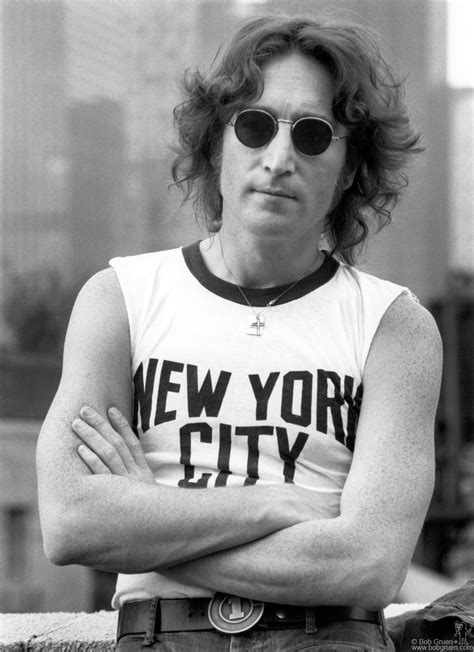
Few cities are associated with a musician as closely as New York City is with John Lennon. Although he became famous as a member of The Beatles in Liverpool and London, it was New York that became his home during the final decade of his life. The city provided Lennon with a fresh start after the break-up of the Beatles, a place where he could pursue music, activism, family life and personal reinvention.
From political protests and immigration battles to raising his son Sean and recording some of his most important solo work, Lennon’s years in New York represented a significant chapter in his life. It was here that he evolved from Beatle to solo artist, from global celebrity to devoted father, and from outspoken activist to cultural icon.
Today, New York remains one of the most important destinations for Beatles fans. Locations such as Strawberry Fields in Central Park and the Dakota building continue to attract visitors from around the world who want to learn more about Lennon’s life and legacy.
From chart-topping classics and hidden album tracks to song writing history, recording details, song meanings and fascinating facts, discover the stories behind some of the greatest songs ever recorded.
Quick Facts About John Lennon In New York
- Lived in New York during the 1970s and until his death in 1980
- Shared much of his New York life with Yoko Ono
- Became involved in political and peace activism
- Fought a lengthy immigration battle with the US government
- Raised his son Sean Lennon in New York
- Lived at the famous Dakota building overlooking Central Park
- Recorded several solo albums during his New York years
- Inspired the creation of the Strawberry Fields memorial in Central Park
Why Did John Lennon Move To New York?
The break-up of The Beatles in 1970 marked the end of one chapter in Lennon’s life and the beginning of another. Having spent much of the 1960s under intense public scrutiny in Britain, Lennon was increasingly drawn to New York City’s creative energy and cultural diversity.
Together with Yoko Ono, Lennon saw New York as a place where artists, musicians, writers and activists could express themselves more freely. The city was at the centre of many social and political movements during the early 1970s, making it an attractive destination for a musician who wanted to engage with issues beyond music.
Unlike London, where Lennon was constantly associated with his Beatles past, New York offered the possibility of starting again. It became a place where he could focus on his solo career, develop his artistic interests and become involved in causes that mattered to him.
Readers interested in Lennon’s life before New York can learn more on the John Lennon page and in the history article The Beatles.
Discover detailed guides to every Beatles album, from Please Please Me through to Let It Be. Learn when each album was recorded and released, explore complete track listings and uncover the history behind the records that changed popular music forever.
John Lennon And New York’s Creative Community
New York in the early 1970s was one of the world’s most vibrant cultural centres. Areas such as Greenwich Village were home to musicians, poets, artists and political activists. Lennon and Ono quickly became part of this environment.
The city’s creative atmosphere appealed to Lennon because it encouraged experimentation and individuality. He was no longer simply one quarter of the world’s most famous band. In New York he was free to explore new ideas and collaborate with people from a variety of artistic backgrounds.
Lennon and Ono also continued their experimental artistic projects during this period. Their interests extended beyond popular music into visual art, conceptual projects and public campaigns designed to promote peace and social change.
This creative freedom helped shape much of Lennon’s work during the 1970s and contributed to his reputation as an artist willing to challenge expectations.
Political Activism In New York
One of the defining aspects of Lennon’s New York years was his growing involvement in political activism.
Throughout the late Beatles era, Lennon had already become increasingly vocal about peace and social issues. After moving to New York, however, his activism became even more visible. Together with Yoko Ono, he used his fame to draw attention to causes he believed in.
Opposition To The Vietnam War
The Vietnam War was one of the most controversial issues of the era. Lennon publicly expressed his opposition to the conflict and became associated with the wider peace movement.
His songs, interviews and public appearances often reflected his belief that music and celebrity could be used to encourage social change. This stance attracted significant media attention and made Lennon a prominent figure within anti-war circles.
Campaigns For Peace
Lennon and Ono organised and supported various peace-related campaigns. Their message was often simple but highly visible, encouraging dialogue rather than conflict.
Although some critics dismissed their efforts as publicity stunts, others viewed them as a sincere attempt to use their platform for positive change. Regardless of opinion, their campaigns ensured that Lennon remained at the centre of public debate throughout much of the decade.
A Controversial Figure
Lennon’s activism also made him a controversial figure in certain political circles. His public statements and support for anti-war causes attracted the attention of government officials, ultimately contributing to one of the most challenging periods of his life in America.
Learn more about the four musicians who changed popular music forever. Explore the lives, careers and contributions of John Lennon, Paul McCartney, George Harrison and Ringo Starr, from their Beatles years to their achievements beyond the band.
The Immigration Battle
One of the most fascinating chapters of Lennon’s New York years was his long legal battle to remain in the United States.
Why The US Government Tried To Deport Lennon
In the early 1970s, US authorities attempted to deport Lennon. Officially, the case centred on a previous cannabis conviction in Britain. However, many observers believed that Lennon’s political activism and public criticism of government policies played a role in the decision.
Because Lennon was such a high-profile figure, the case quickly attracted widespread attention.
A Lengthy Legal Struggle
The immigration battle lasted several years and became a major news story. Lennon and Ono fought the deportation attempts through the courts while continuing to live in New York.
The case generated support from fellow musicians, public figures and fans who believed Lennon should be allowed to remain in the country.
Winning The Right To Stay
Eventually, Lennon was successful in his efforts to remain in the United States. The outcome allowed him to continue building a life in New York and removed a major source of uncertainty from his personal and professional life.
Today, the immigration case is often viewed as one of the most significant examples of the challenges Lennon faced outside of music.
Explore the fascinating history of The Beatles, from their early days in Liverpool to becoming the most successful and influential band in popular music history. Discover the people, places and events that shaped the band’s remarkable journey and lasting legacy.
Music Created During The New York Years
Although New York became central to Lennon’s personal life, it also remained an important base for his musical career.
Several notable albums were recorded or released during this period, reflecting both his artistic ambitions and the changing circumstances of his life.
Some Time In New York City
Released in 1972, Some Time in New York City was one of Lennon’s most overtly political albums. Its songs addressed current events, social issues and activism, reflecting many of the concerns that occupied Lennon during his early years in America.
Mind Games
Mind Games showcased a more personal and introspective side of Lennon. The album explored themes of love, peace and self-reflection while continuing to demonstrate his talent as a songwriter.
Walls And Bridges
Released during the period later known as the Lost Weekend, Walls and Bridges featured some of Lennon’s strongest solo material. It demonstrated his ability to balance personal experiences with accessible song writing.
Rock ‘n’ Roll
This album paid tribute to the artists who had inspired Lennon during his youth. By revisiting classic rock and roll songs, he acknowledged the musical influences that helped shape both his solo career and his work with the Beatles.
Double Fantasy
Released in 1980, Double Fantasy marked Lennon’s return to recording after several years largely focused on family life. The album reflected a renewed enthusiasm for music and collaboration with Yoko Ono.
Readers interested in a deeper exploration of this period should also see John Lennon’s Solo Career.
Songs
Ready to take a trip down The Long And Winding Road? Explore The Beatles’ extraordinary catalogue of songs, from timeless classics and chart-topping hits to hidden gems and album favourites. Discover the stories, recording history and fascinating facts behind the music that changed the world.
Albums
Journey through every Beatles album, from Please Please Me to Let It Be. Explore album histories, release information, recording details and complete track listings from one of the greatest catalogues in music history.
History
Want to know how four young musicians from Liverpool became the biggest band in the world? Follow The Beatles’ incredible journey from The Cavern Club and Hamburg to worldwide fame, Beatlemania and musical immortality.
The Lost Weekend
One of the most talked-about periods of Lennon’s life occurred during the mid-1970s and is often referred to as the “Lost Weekend.”
Despite the name, the period lasted around eighteen months rather than a single weekend. During this time Lennon and Yoko Ono temporarily separated, and Lennon spent much of his time in Los Angeles.
The period included friendships with musicians such as Elton John and Harry Nilsson, along with continued recording work and public appearances. Although it was sometimes chaotic, it also proved creatively productive.
Eventually Lennon and Ono reconciled, and he returned to New York.
The story of this unusual chapter deserves its own detailed discussion and is explored further in John Lennon’s Lost Weekend.
Family Life And Sean Lennon
By the mid-1970s, Lennon’s priorities began to change significantly.
The Birth Of Sean Lennon
In 1975, Lennon and Ono welcomed their son Sean. The event had a profound impact on Lennon’s life and marked the beginning of a quieter period focused on family.
Stepping Away From Music
Unlike many major musicians, Lennon made the unusual decision to step back from recording and touring for several years. Instead, he devoted much of his time to raising Sean and supporting family life.
Friends and associates often commented on how seriously Lennon took his role as a father during this period. After years of intense public attention and professional pressures, he appeared to enjoy the relative stability of domestic life.
This side of Lennon is sometimes overlooked but provides important insight into his later years.
Life At The Dakota
No discussion of John Lennon in New York would be complete without mentioning the Dakota.
Located on the western side of Central Park, the Dakota is one of New York City’s most recognisable residential buildings.
Why Lennon Lived There
Lennon and Ono were attracted to the building because of its privacy, architecture and location. The Dakota offered spectacular views and easy access to Central Park while providing a degree of separation from the constant demands of celebrity life.
Daily Life In New York
Despite his global fame, Lennon often enjoyed relatively ordinary routines during his later years. He could sometimes be seen walking around the city, spending time with family or interacting with fans.
Many visitors were surprised by his willingness to engage in casual conversations and sign autographs.
An Important Beatles Landmark
Today, the Dakota remains one of the most famous Beatles-related locations in the world. For many fans, it represents the final chapter of Lennon’s life and continues to be an important stop on Beatles-themed visits to New York.
John Lennon’s Lasting Legacy In New York
More than four decades after his death, Lennon’s presence can still be felt throughout the city.
Strawberry Fields
Located within Central Park, Strawberry Fields is a memorial dedicated to Lennon’s memory. Named after the Beatles song Strawberry Fields Forever, it has become one of New York’s most visited musical landmarks.
The memorial serves as a place of reflection for fans from around the world and highlights the enduring connection between Lennon and the city he called home.
The Imagine Mosaic
At the centre of Strawberry Fields lies the famous “Imagine” mosaic. Inspired by Lennon’s iconic song, the mosaic has become one of the most photographed locations associated with his legacy.
Visitors regularly leave flowers, messages and tributes in recognition of Lennon’s influence on music and culture.
A Destination For Beatles Fans
New York now sits alongside Liverpool and London as one of the most important destinations for Beatles enthusiasts. Fans visit the Dakota, Strawberry Fields and other Lennon-related sites to gain a deeper understanding of his life beyond the Beatles.
Why John Lennon’s New York Years Matter
John Lennon’s years in New York were about far more than simply changing address.
The city became the setting for some of the most important developments of his later life. It was where he pursued activism, fought for the right to remain in America, created influential music, raised his family and established a legacy that continues to inspire people around the world.
New York allowed Lennon to redefine himself after the Beatles. He remained a musician and songwriter, but he also became an activist, husband, father and cultural figure whose influence extended far beyond popular music.
For many fans, understanding John Lennon’s New York years is essential to understanding the man he became after Beatlemania. While Liverpool gave Lennon his roots and the Beatles gave him global fame, New York provided the backdrop for his final and perhaps most complex chapter.
Frequently Asked Questions
Why did John Lennon move to New York?
John Lennon moved to New York seeking creative freedom, new opportunities and a fresh start after the break-up of the Beatles. The city’s artistic and political environment appealed to both Lennon and Yoko Ono.
Where did John Lennon live in New York?
Lennon lived at the Dakota, a historic apartment building located beside Central Park in Manhattan.
Why did the US government try to deport John Lennon?
The government cited a previous cannabis conviction in Britain, although many observers believed his political activism also contributed to the deportation attempts.
What music did John Lennon record during his New York years?
Albums associated with this period include Some Time in New York City, Mind Games, Walls and Bridges, Rock ‘n’ Roll and Double Fantasy.
What is Strawberry Fields in New York?
Strawberry Fields is a memorial in Central Park dedicated to John Lennon. It is named after the Beatles song Strawberry Fields Forever.
Can Beatles fans visit places associated with John Lennon in New York?
Yes. Popular locations include Strawberry Fields, the Imagine mosaic and the Dakota building, all of which attract Beatles fans from around the world.
Latest Posts
- The Death of John Lennon
 John Lennon’s death on 8 December 1980 shocked millions around the world. This article examines the events of that day, the global reaction and the lasting legacy of one of music’s most influential figures.
- John Lennon’s Greatest Beatles SongsExplore John Lennon’s greatest Beatles songs, from Help! and In My Life to Strawberry Fields Forever and Come Together, and discover the albums and stories behind his most influential recordings.
- Why Did John Lennon Write Strawberry Fields Forever?Discover why John Lennon wrote Strawberry Fields Forever, exploring the Liverpool childhood memories, song writing inspiration and ground breaking recording techniques behind one of The Beatles’ most famous songs.
- John Lennon’s Solo CareerExplore John Lennon’s solo career, from Plastic Ono Band and Imagine to Double Fantasy, including his albums, songs, influences and lasting musical legacy.