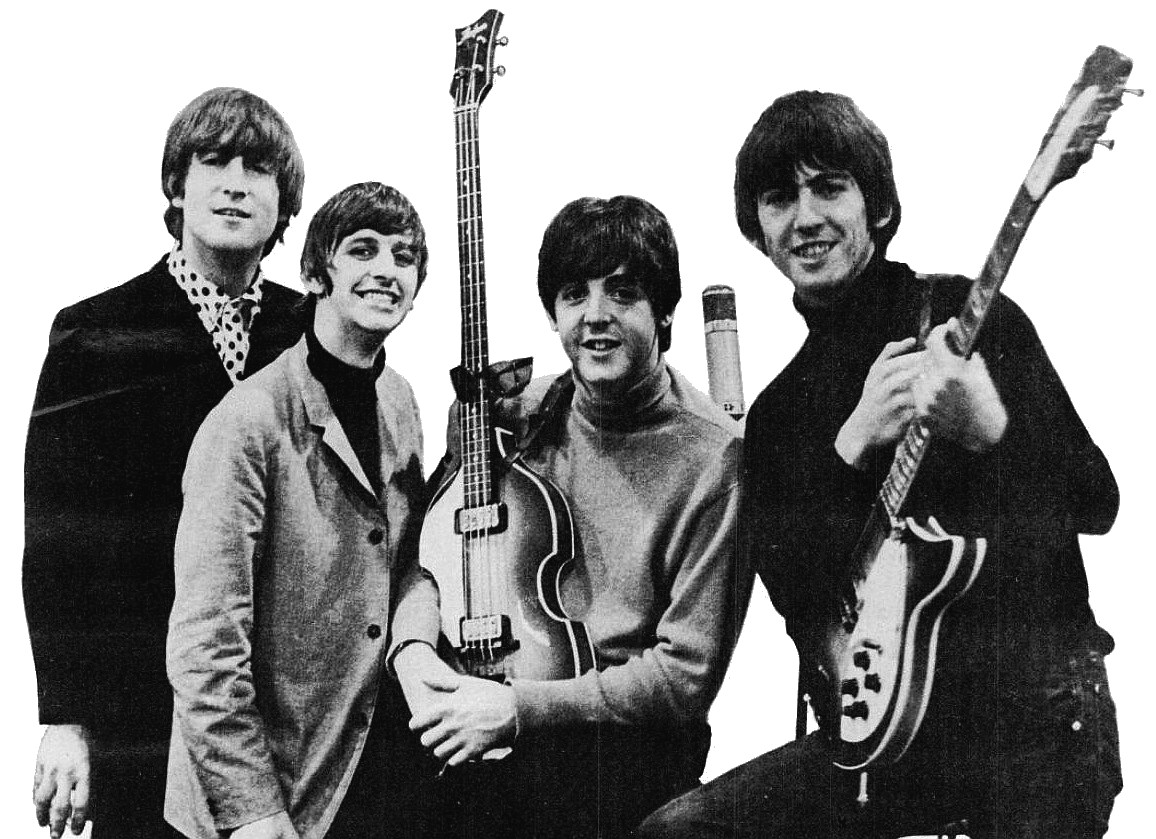
Few songwriters have had a greater impact on popular music than John Lennon. As one half of the legendary Lennon-McCartney partnership, he helped create some of the most influential songs ever recorded. While Paul McCartney often brought melodic brilliance and musical versatility, Lennon contributed honesty, edge, introspection and a willingness to push creative boundaries.
Throughout The Beatles’ career, Lennon’s song writing evolved dramatically. He moved from straightforward rock and roll and love songs to deeply personal reflections, surreal imagery, social commentary and ground breaking studio experimentation. Songs such as Help!, In My Life and Strawberry Fields Forever revealed a songwriter increasingly willing to explore his own experiences and emotions.
The songs featured here are not necessarily ranked from best to worst. Instead, they represent some of John Lennon’s greatest contributions to The Beatles’ catalogue and showcase the remarkable range of his song writing.
Help! (1965)
Released as the title track of The Beatles’ fifth studio album, Help! marked an important turning point in Lennon’s songwriting.
The Album
The Help! album arrived during a period of extraordinary success for The Beatles. The band was still touring extensively and remained at the height of Beatlemania. While the album contains several upbeat and commercially successful songs, it also hints at the growing maturity that would define the band’s later work.
The Song
Although many listeners initially viewed Help! as an energetic pop song, Lennon later admitted it was one of the most honest songs he had ever written.
Beneath the catchy melody lies a genuine expression of stress, insecurity and exhaustion. The pressures of fame were beginning to affect him, and the song became a rare moment of vulnerability in the Beatles’ early catalogue.
Today, many historians regard Help! as the first major sign of Lennon’s move towards more personal song writing.
Related pages:
From chart-topping classics and hidden album tracks to song writing history, recording details, song meanings and fascinating facts, discover the stories behind some of the greatest songs ever recorded.
Norwegian Wood (This Bird Has Flown) (1965)
One of the standout tracks from Rubber Soul, Norwegian Wood demonstrated how quickly Lennon’s songwriting was evolving.
The Album
Released in December 1965, Rubber Soul is widely regarded as one of The Beatles’ most important albums. The record moved beyond traditional pop formulas and introduced more sophisticated song writing, folk influences and introspective themes.
The Song
Norwegian Wood tells a subtle and ambiguous story that was unusually mature for a pop song of its era.
The track is also notable for featuring one of the earliest uses of the sitar in Western popular music, reflecting George Harrison’s growing interest in Indian music.
Its combination of storytelling, atmosphere and innovation helped establish Lennon as one of the most adventurous songwriters of the 1960s.
Related pages:
- Rubber Soul
- Norwegian Wood (This Bird Has Flown)
In My Life (1965)
For many critics and Beatles fans, In My Life represents the moment John Lennon became a truly great songwriter.
The Album
Like Norwegian Wood, the song appears on Rubber Soul, an album that marked a major leap forward in the band’s artistic development.
The Song
Inspired by memories of people and places from Lennon’s past, In My Life is one of the most personal songs he wrote during the Beatles years.
Rather than focusing on romance or youthful excitement, the song reflects on memory, change and the passage of time.
Its emotional honesty continues to resonate with listeners decades after its release and many critics regard it as one of the finest songs in The Beatles’ catalogue.
Related pages:
- Rubber Soul
- In My Life
- John Lennon
Discover detailed guides to every Beatles album, from Please Please Me through to Let It Be. Learn when each album was recorded and released, explore complete track listings and uncover the history behind the records that changed popular music forever.
Tomorrow Never Knows (1966)
Few songs changed popular music as dramatically as Tomorrow Never Knows.
The Album
The song closes Revolver, an album that many music historians consider one of the most innovative records ever made. Released in 1966, it marked The Beatles’ transition from a touring band into true studio pioneers.
The Song
Inspired by Eastern philosophy, experimental music and Lennon’s interest in expanding consciousness, Tomorrow Never Knows sounded unlike anything listeners had heard before.
The recording featured tape loops, unusual vocal effects and revolutionary production techniques.
More than fifty years later, it still sounds remarkably modern and remains one of the most influential recordings of the psychedelic era.
Related pages:
- Revolver
- Tomorrow Never Knows
Learn more about the four musicians who changed popular music forever. Explore the lives, careers and contributions of John Lennon, Paul McCartney, George Harrison and Ringo Starr, from their Beatles years to their achievements beyond the band.
Strawberry Fields Forever (1967)
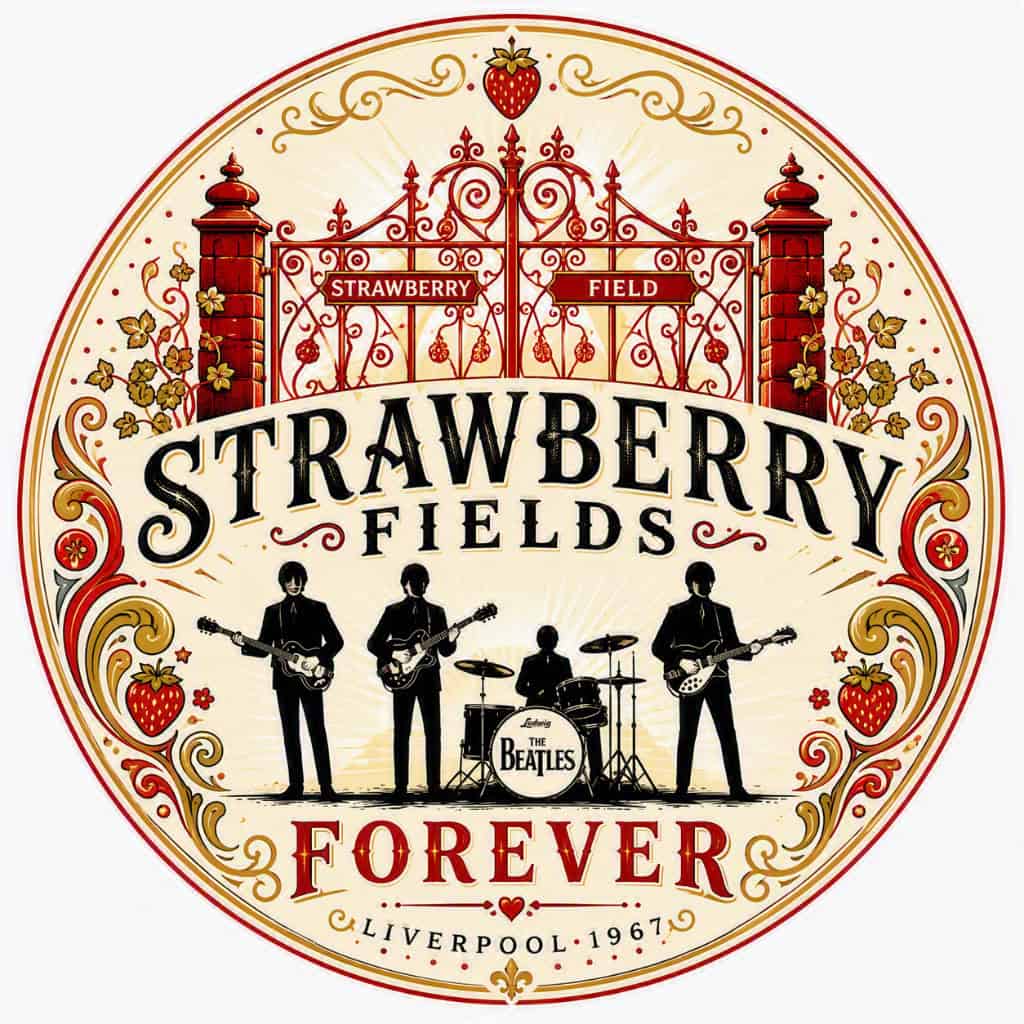
Many fans consider Strawberry Fields Forever to be John Lennon’s greatest Beatles song.
The Album / Era
Although released as a double A-side single alongside Penny Lane, the song was recorded during the sessions that would eventually produce Sgt. Pepper’s Lonely Hearts Club Band.
This period represented one of the most creative phases in Beatles history.
The Song
Inspired by Lennon’s childhood memories of Liverpool, Strawberry Fields Forever explored themes of identity, memory and self-reflection.
It was one of the most personal songs he ever wrote and helped redefine what a pop song could achieve.
Its influence extends far beyond The Beatles and many critics regard it as one of the greatest recordings in music history.
Related pages:
- Strawberry Fields Forever
- What Is Strawberry Fields Forever About?
- Strawberry Fields Forever: Musical Analysis
- Why Did John Lennon Write Strawberry Fields Forever?
- Sgt. Pepper’s Lonely Hearts Club Band
Explore the fascinating history of The Beatles, from their early days in Liverpool to becoming the most successful and influential band in popular music history. Discover the people, places and events that shaped the band’s remarkable journey and lasting legacy.
A Day In The Life (1967)
Often regarded as The Beatles’ masterpiece, A Day In The Life brought together the songwriting talents of both Lennon and McCartney.
The Album
The song closes Sgt. Pepper’s Lonely Hearts Club Band, one of the most celebrated albums ever recorded.
The Song
Lennon’s sections form the emotional core of the composition. Drawing inspiration from newspaper stories and everyday observations, he created a song that feels both ordinary and dreamlike.
Combined with McCartney’s contrasting middle section and the famous orchestral crescendos, the result was one of the most ambitious recordings of the 1960s.
Many critics regard it as one of the greatest songs ever written.
Related pages:
- Sgt. Pepper’s Lonely Hearts Club Band
- A Day In The Life
Lucy In The Sky With Diamonds (1967)
One of the most famous songs from the Sgt. Pepper era, Lucy In The Sky With Diamonds remains one of Lennon’s most imaginative compositions.
The Album
Appearing on Sgt. Pepper’s Lonely Hearts Club Band, the song reflects the experimental spirit that defined the album.
The Song
Inspired by a drawing created by Lennon’s son Julian, the song combines vivid imagery with a dreamlike atmosphere.
Over the years it has generated numerous interpretations, but its enduring popularity comes from its creativity and sense of wonder.
The song remains one of the defining recordings of the psychedelic era.
Related pages:
- Sgt. Pepper’s Lonely Hearts Club Band
- Lucy In The Sky With Diamonds
Songs
Ready to take a trip down The Long And Winding Road? Explore The Beatles’ extraordinary catalogue of songs, from timeless classics and chart-topping hits to hidden gems and album favourites. Discover the stories, recording history and fascinating facts behind the music that changed the world.
Albums
Journey through every Beatles album, from Please Please Me to Let It Be. Explore album histories, release information, recording details and complete track listings from one of the greatest catalogues in music history.
History
Want to know how four young musicians from Liverpool became the biggest band in the world? Follow The Beatles’ incredible journey from The Cavern Club and Hamburg to worldwide fame, Beatlemania and musical immortality.
Revolution (1968)
While many Beatles songs focused on personal experiences, Revolution demonstrated Lennon’s willingness to engage with political and social issues.
The Album / Era
The song emerged during the period surrounding The Beatles (commonly known as the White Album), a time of significant social and political change around the world.
The Song
Written during a period of global unrest, Revolution addressed questions about protest, political change and the role of violence.
The song remains one of the clearest examples of Lennon using his music to express his views on contemporary events.
Its message continues to provoke discussion today.
Related pages:
- The Beatles (White Album)
- Revolution
I Am The Walrus (1967)
Few Beatles songs demonstrate Lennon’s love of wordplay and surrealism better than I Am The Walrus.
The Album
The song appeared during the Magical Mystery Tour period, one of the most experimental phases of The Beatles’ career.
The Song
Filled with absurd imagery, literary references and playful nonsense, the song was partly written in response to people analysing Beatles lyrics too seriously.
The result was a deliberately confusing and highly entertaining composition that remains one of the most distinctive songs in the Beatles catalogue.
Related pages:
- Magical Mystery Tour
- I Am The Walrus
Across The Universe (1969)
Across The Universe is often cited as one of Lennon’s most beautiful songs.
The Album
Although recorded earlier, the song eventually appeared on Let It Be, the final Beatles album to be released.
The Song
Built around poetic lyrics and spiritual themes, Across The Universe reflects Lennon’s growing interest in meditation and Eastern philosophy.
Its gentle melody and reflective mood have made it a favourite among Beatles fans for decades.
Many listeners regard it as one of the most lyrical and philosophical songs Lennon ever wrote.
Related pages:
- Let It Be
- Across The Universe
Come Together (1969)
One of the most recognisable Beatles songs ever recorded, Come Together remains a cornerstone of Lennon’s songwriting legacy.
The Album
The song opens Abbey Road, the final album recorded by The Beatles.
Often regarded as one of the band’s greatest achievements, the album showcased the group at the height of its creative powers.
The Song
Built around a memorable bass line and Lennon’s distinctive vocal performance, Come Together combines cryptic lyrics with an irresistible groove.
The song became one of The Beatles’ most successful recordings and remains a staple of classic rock radio.
More than fifty years later, it continues to introduce new listeners to Lennon’s songwriting.
Related pages:
- Abbey Road
- Come Together
You’ve Got To Hide Your Love Away (1965)
Although sometimes overshadowed by Lennon’s bigger hits, You’ve Got To Hide Your Love Away deserves recognition as one of his finest early compositions.
The Album
The song appears on Help!, an album that captured The Beatles during a period of rapid artistic growth.
The Song
Strongly influenced by Bob Dylan, the track introduced a more introspective and folk-inspired style to Lennon’s song writing.
Its thoughtful lyrics and acoustic arrangement pointed towards the more mature direction he would continue exploring throughout the second half of the decade.
Related pages:
- Help!
- You’ve Got To Hide Your Love Away
Why John Lennon’s Beatles Songs Still Matter
John Lennon’s greatest Beatles songs reveal the extraordinary range of his songwriting. He could be vulnerable and reflective on songs such as Help! and In My Life, experimental and visionary on Tomorrow Never Knows and Strawberry Fields Forever, or playful and surreal on I Am The Walrus.
Together, these songs helped transform The Beatles from a successful pop group into one of the most influential artistic forces in modern music.
More importantly, they continue to resonate because they address timeless themes: memory, identity, love, change, uncertainty and imagination.
That combination of honesty, creativity and innovation is why John Lennon remains one of the most important songwriters in popular music history.
Frequently Asked Questions
What was John Lennon’s greatest Beatles song?
Many fans and critics consider Strawberry Fields Forever, In My Life and A Day In The Life among his greatest achievements.
What was John Lennon’s most personal Beatles song?
Lennon often described Strawberry Fields Forever as one of his most personal compositions.
Which Beatles album contains the best John Lennon songs?
Albums frequently praised for Lennon’s songwriting include Rubber Soul, Revolver, Sgt. Pepper’s Lonely Hearts Club Band and Abbey Road.
Did John Lennon write most Beatles songs?
Lennon and Paul McCartney wrote the majority of The Beatles’ catalogue together, although individual songs were often primarily written by one or the other.
What was John Lennon’s most influential Beatles song?
Many music historians point to Strawberry Fields Forever and Tomorrow Never Knows because of their impact on songwriting and studio production.
Latest Posts
- The Death of John Lennon
 John Lennon’s death on 8 December 1980 shocked millions around the world. This article examines the events of that day, the global reaction and the lasting legacy of one of music’s most influential figures.
- John Lennon’s Greatest Beatles SongsExplore John Lennon’s greatest Beatles songs, from Help! and In My Life to Strawberry Fields Forever and Come Together, and discover the albums and stories behind his most influential recordings.
- Why Did John Lennon Write Strawberry Fields Forever?Discover why John Lennon wrote Strawberry Fields Forever, exploring the Liverpool childhood memories, song writing inspiration and ground breaking recording techniques behind one of The Beatles’ most famous songs.
- John Lennon’s Solo CareerExplore John Lennon’s solo career, from Plastic Ono Band and Imagine to Double Fantasy, including his albums, songs, influences and lasting musical legacy.