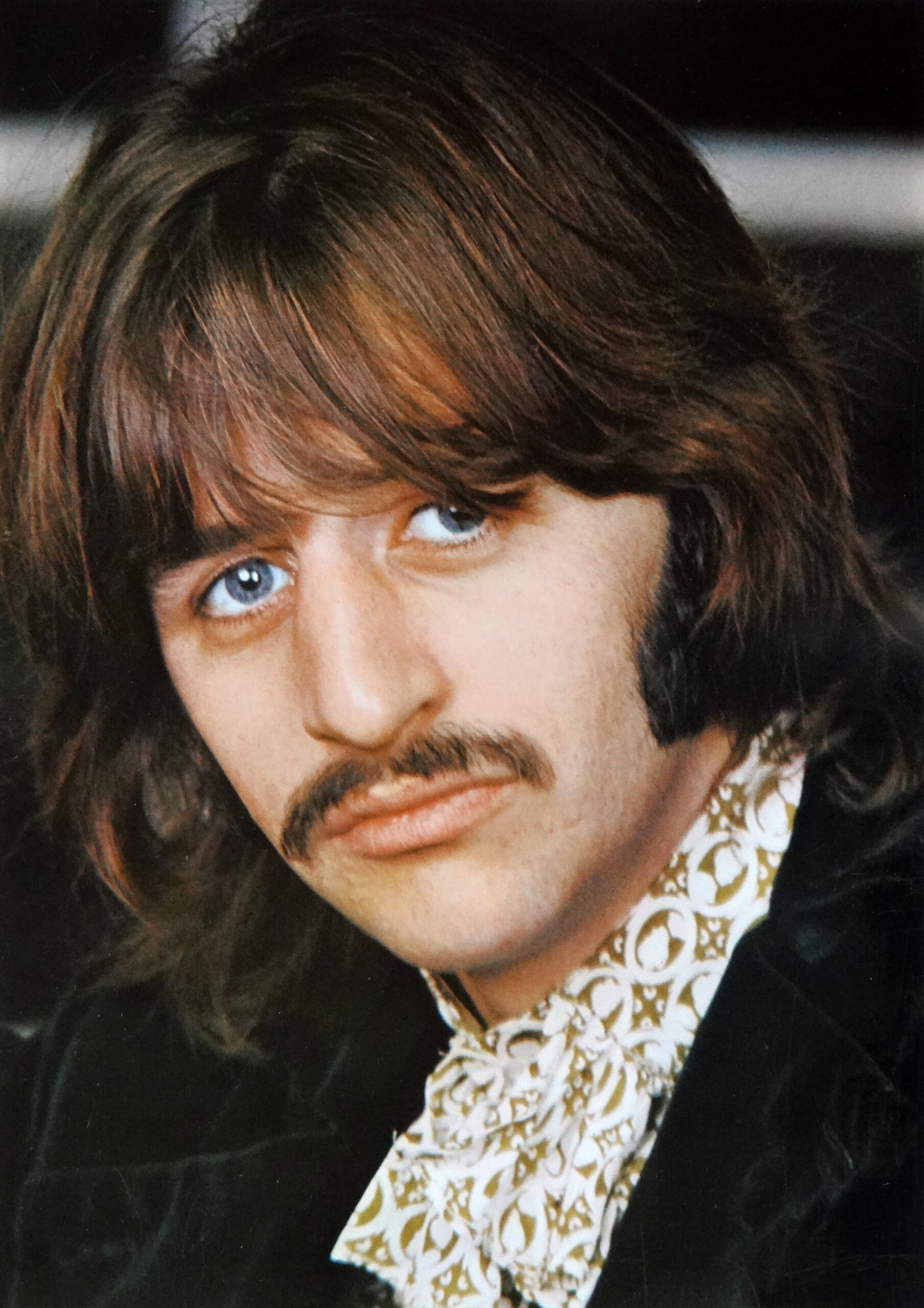
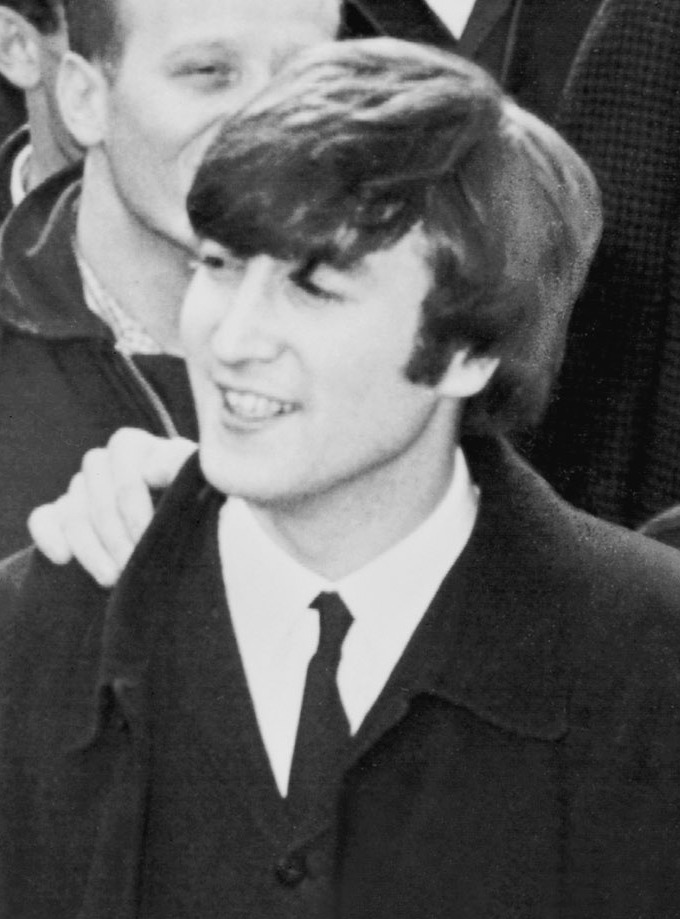
Who Was John Lennon?
John Lennon was an English musician, singer, songwriter, artist and peace campaigner best known as a founding member of The Beatles, one of the most influential bands in music history.
Born in Liverpool on 9 October 1940, Lennon played a central role in the creation and success of The Beatles, helping transform popular music through his song writing, creativity and distinctive personality. Alongside Paul McCartney, he formed the legendary Lennon-McCartney song writing partnership, responsible for many of the most celebrated songs ever recorded.
Throughout the 1960s, Lennon evolved from a rock and roll enthusiast inspired by Elvis Presley and skiffle music into one of the most influential songwriters of his generation. His work with The Beatles produced timeless songs including Help!, In My Life, Strawberry Fields Forever, Across The Universe, Come Together and A Day In The Life.
Beyond The Beatles, Lennon enjoyed a successful solo career, releasing acclaimed albums such as John Lennon/Plastic Ono Band and Imagine. His music often reflected deeply personal experiences while also addressing social and political issues.
Lennon was equally famous for his relationship with Yoko Ono, his peace activism and his willingness to challenge conventions both within and outside the music industry. Campaigns such as the Bed-Ins for Peace helped make him one of the most recognisable cultural figures of the twentieth century.
Today, John Lennon remains one of the most influential musicians, songwriters and cultural figures in modern history. His music continues to inspire new generations, while his impact on popular culture remains as significant as ever.
John Lennon was a founding member of The Beatles, one half of the Lennon-McCartney songwriting partnership and one of the most influential musicians of the twentieth century.
Early Life In Liverpool
John Lennon was born at Liverpool Maternity Hospital on 9 October 1940 during the Second World War. His early years were marked by family difficulties and instability, experiences that would later influence both his personality and his song writing.
Although born to Julia and Alfred Lennon, John spent much of his childhood being raised by his Aunt Mimi and Uncle George at Mendips, a house on Menlove Avenue in the Liverpool suburb of Woolton.
Mimi provided structure and stability, while Julia introduced him to music and encouraged his creative interests.
Growing up in post-war Liverpool, Lennon developed a fascination with music, comedy, literature and art. He attended Quarry Bank High School, where he quickly gained a reputation for his humour, intelligence and rebellious streak.
Like many young people of the era, Lennon became captivated by American music. Artists such as:
- Elvis Presley
- Chuck Berry
- Buddy Holly
- Little Richard
helped shape his musical ambitions.
By the mid-1950s, he had become determined to form a band of his own.
Few people could have imagined that the teenager from Woolton would eventually become one of the most famous musicians in the world.
From chart-topping classics and hidden album tracks to song writing history, recording details, song meanings and fascinating facts, discover the stories behind some of the greatest songs ever recorded.
John Lennon And Liverpool
Liverpool played a crucial role in shaping John Lennon’s life and creative development.
From Mendips and Quarry Bank High School to The Cavern Club and Strawberry Field, many of the locations associated with Lennon remain important landmarks for Beatles fans today.
The city’s culture, humour and resilience profoundly influenced Lennon’s outlook and artistic identity.
Visitors from around the world continue to explore the places connected to his life and work, making Liverpool an essential destination for Beatles enthusiasts.
Julia Lennon And Her Influence
One of the most important figures in John Lennon’s life was his mother, Julia Lennon.
Although John did not live with her full-time during childhood, the pair developed a close relationship.
Julia introduced him to music, taught him basic banjo chords and encouraged his early interest in rock and roll.
Many historians believe that her influence played a crucial role in shaping Lennon’s future career.
Tragically, Julia was killed in a road accident in 1958 when John was just seventeen years old.
The loss devastated Lennon and became one of the defining emotional experiences of his life.
Themes of loss, memory and longing would later appear in many of his songs, including:
- Julia
- Mother
- My Mummy’s Dead
Her influence remained with him throughout his life and continues to be recognised as one of the most important factors in his artistic development.
Discover detailed guides to every Beatles album, from Please Please Me through to Let It Be. Learn when each album was recorded and released, explore complete track listings and uncover the history behind the records that changed popular music forever.
The Quarrymen
Before The Beatles, there was The Quarrymen.
Founded by Lennon in 1956, the skiffle group took its name from Quarry Bank High School.
Initially inspired by the skiffle craze sweeping Britain, the band performed at local events and community gatherings throughout Liverpool.
Although the group’s early line-up changed frequently, The Quarrymen provided the foundation from which The Beatles would eventually emerge.
Most importantly, it was through The Quarrymen that Lennon would meet Paul McCartney.
How John Lennon Met Paul McCartney
One of the most important meetings in music history took place on 6 July 1957.
During a church fete at St Peter’s Church in Woolton, Lennon performed with The Quarrymen.
Following the performance, fifteen-year-old Paul McCartney was introduced to Lennon by a mutual friend.
McCartney impressed Lennon by demonstrating his musical ability and knowledge of popular songs. Soon afterwards, Lennon invited him to join The Quarrymen.
The decision would ultimately lead to the formation of The Beatles and the creation of the Lennon-McCartney song writing partnership.
Read more: How Paul McCartney Met John Lennon
The Lennon-McCartney Partnership
The songwriting partnership between John Lennon and Paul McCartney remains one of the most successful creative collaborations in music history.
Throughout the 1960s, the pair wrote songs that transformed popular music and helped establish The Beatles as the most successful band in the world.
Together they created classics including:
- A Hard Day’s Night
- Help!
- In My Life
- Eleanor Rigby
- Penny Lane
- Strawberry Fields Forever
- Hey Jude
- Let It Be
Although each songwriter possessed a distinct voice and style, their collaboration produced a catalogue that continues to influence musicians around the world.
Read more: The Lennon-McCartney Partnership
Explore the fascinating history of The Beatles, from their early days in Liverpool to becoming the most successful and influential band in popular music history. Discover the people, places and events that shaped the band’s remarkable journey and lasting legacy.
John Lennon And The Beatles
As founder, rhythm guitarist, vocalist and songwriter, Lennon was central to every stage of The Beatles’ development.
During the early years, he provided much of the band’s rebellious energy and creative vision. His confidence and charisma helped establish the identity that would later captivate audiences worldwide.
As The Beatles evolved, Lennon emerged as one of the most adventurous songwriters in popular music.
Albums such as:
- Please Please Me
- A Hard Day’s Night
- Rubber Soul
- Revolver
- Sgt. Pepper’s Lonely Hearts Club Band
- Magical Mystery Tour
- The Beatles (White Album)
- Abbey Road
demonstrated his remarkable artistic growth.
His willingness to experiment with lyrics, recording techniques and musical styles helped push The Beatles into new creative territory and played a major role in shaping the sound of modern popular music.
John Lennon’s Greatest Beatles Songs
John Lennon wrote many of the most important songs in The Beatles’ catalogue.
Among his most celebrated compositions are:
- Help!
- Norwegian Wood
- In My Life
- Tomorrow Never Knows
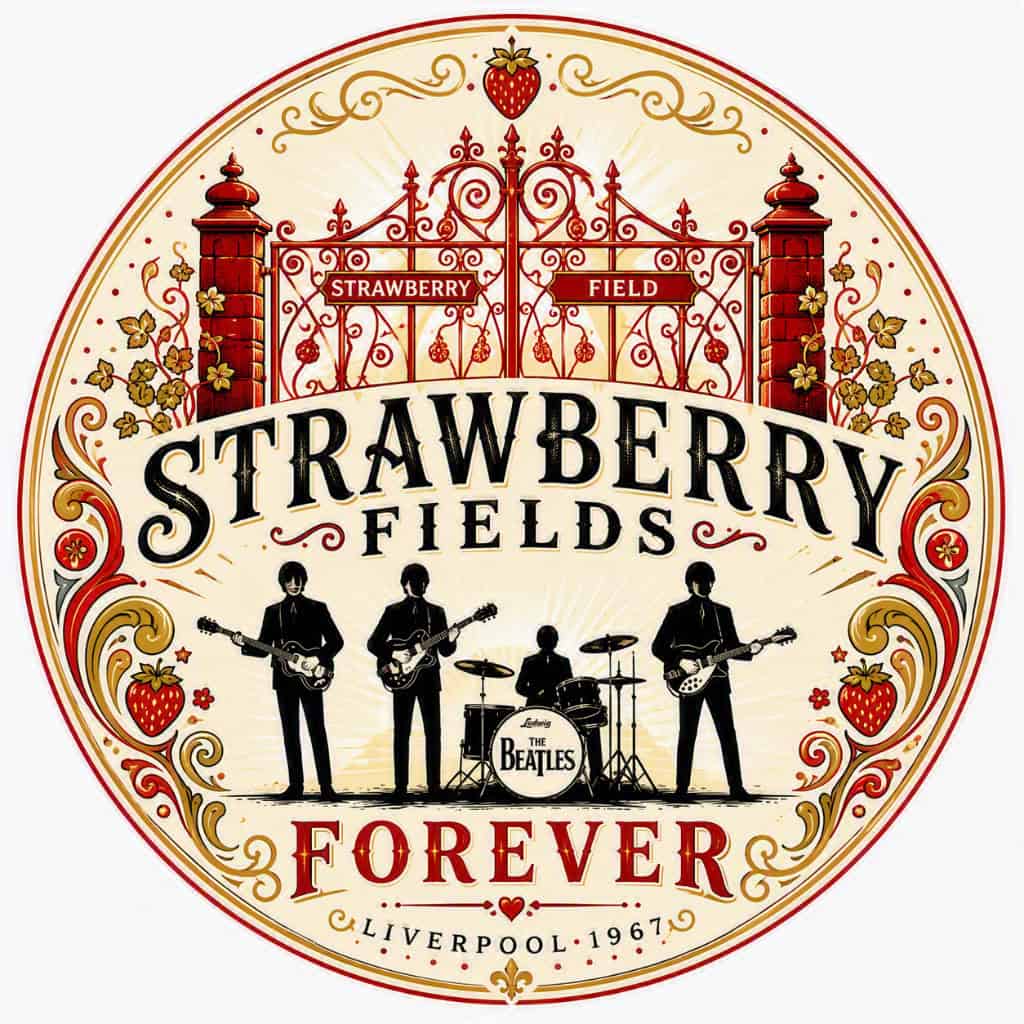
- Strawberry Fields Forever
- A Day In The Life
- Across The Universe
- Come Together
These songs reveal the extraordinary range of his song writing, from deeply personal reflections to ground breaking experiments in sound and structure.
Read more: John Lennon’s Greatest Beatles Songs
Why Did John Lennon Write Strawberry Fields Forever?
Few Beatles songs are as closely associated with John Lennon as Strawberry Fields Forever.
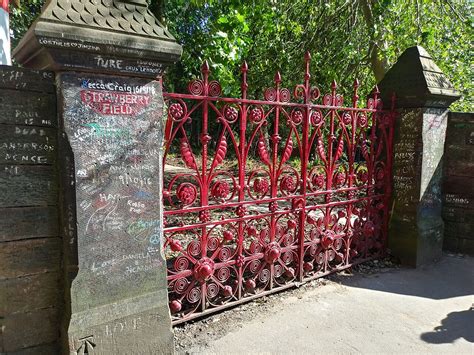
The song was inspired by Lennon’s childhood memories of Strawberry Field, a Salvation Army children’s home located near Mendips in Liverpool.
Rather than being a straightforward autobiography, the song blended memory, imagination and introspection to create one of the most innovative recordings of the 1960s.
Today, Strawberry Fields Forever remains one of the most celebrated songs in music history and one of the defining works of Lennon’s career.
Read more: Why Did John Lennon Write Strawberry Fields Forever?
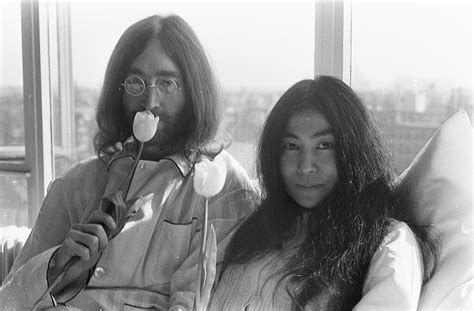
John Lennon And Yoko Ono
Few relationships in popular culture have attracted as much attention as that between John Lennon and Yoko Ono.
The pair met in 1966 and quickly developed a close creative and personal relationship.
Together they collaborated on music, art and peace campaigns while becoming one of the most famous couples in the world.
Although the relationship has often been misunderstood and debated, Yoko Ono became one of the most important influences on Lennon’s later life and work.
Songs, albums and artistic projects from this period reflected their partnership and shared creative vision.
Read more: John Lennon And Yoko Ono
John Lennon And Peace Activism
Throughout the late 1960s and 1970s, Lennon became increasingly involved in peace activism.
Songs such as:
- Give Peace A Chance
- Happy Xmas (War Is Over)
- Imagine
reflected his desire to encourage discussion about war, peace and social change.
His activism made him one of the most visible musicians in the world and helped establish a model for artists using their platform to support broader causes.
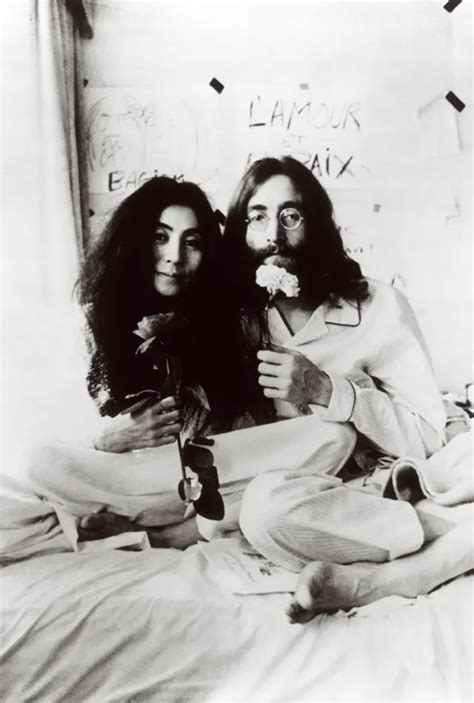
The Bed-Ins For Peace
In 1969, Lennon and Ono staged the famous Bed-Ins for Peace.
Held during their honeymoon, these events attracted significant media attention and were designed to promote peace through non-violent protest.
Journalists from around the world visited the couple as they remained in bed discussing peace, war and social change.
The Bed-Ins became one of the most memorable examples of Lennon’s activism and remain closely associated with his public image.
John Lennon’s Solo Career
Following the breakup of The Beatles in 1970, John Lennon embarked on a solo career that produced some of the most personal, honest and influential recordings of his life.
Unlike many former members of successful bands, Lennon did not attempt to recreate the sound of The Beatles. Instead, he used his solo work to explore deeply personal experiences, political beliefs, relationships and emotions in a way that would have been difficult within the context of the group.
His early solo recordings stripped away much of the studio experimentation and elaborate production that had characterised the later Beatles years. Working alongside Yoko Ono and producer Phil Spector, Lennon created music that was often raw, direct and emotionally powerful.
Major albums included:
- John Lennon/Plastic Ono Band (1970)
- Imagine (1971)
- Mind Games (1973)
- Walls and Bridges (1974)
- Rock ‘n’ Roll (1975)
- Double Fantasy (1980)
Songs such as Imagine, Jealous Guy, Instant Karma!, Working Class Hero, Mind Games and Woman remain among the most celebrated recordings of his career.
His solo work often explored themes including:
- Childhood and family relationships
- Fame and identity
- Love and partnership
- Peace and social change
- Personal growth and self-reflection
Many critics regard John Lennon/Plastic Ono Band and Imagine as among the greatest solo albums ever recorded by a former Beatle. Together they demonstrated that Lennon remained a major creative force long after the breakup of The Beatles.
His solo catalogue continues to attract new listeners and remains an essential part of understanding his life, beliefs and artistic legacy.
Read more: John Lennon’s Solo Career
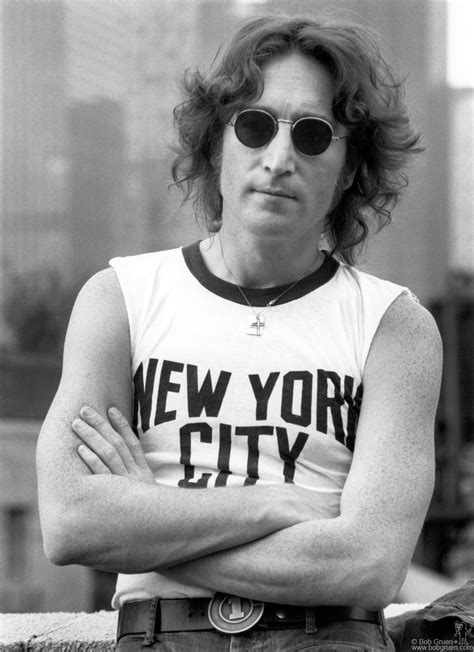
John Lennon In New York
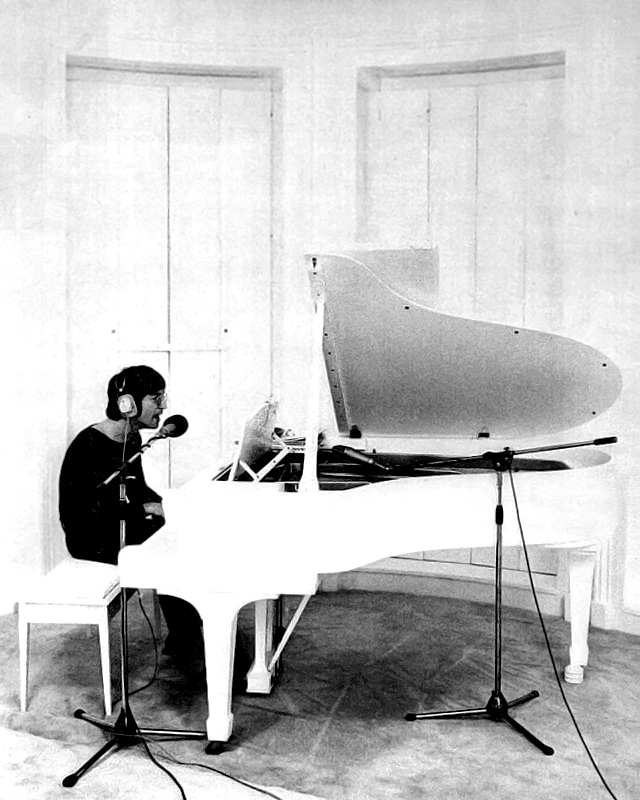
During the early 1970s, New York City became John Lennon’s adopted home and one of the most important settings of his later life.
Having spent much of the previous decade at the centre of Beatlemania and global fame, Lennon found New York to be both inspiring and liberating. The city’s vibrant cultural scene, political activism and artistic communities provided a creative environment that suited his evolving interests.
Together with Yoko Ono, Lennon became closely associated with New York’s artistic and political circles. The city influenced his music, activism and public identity throughout the decade.
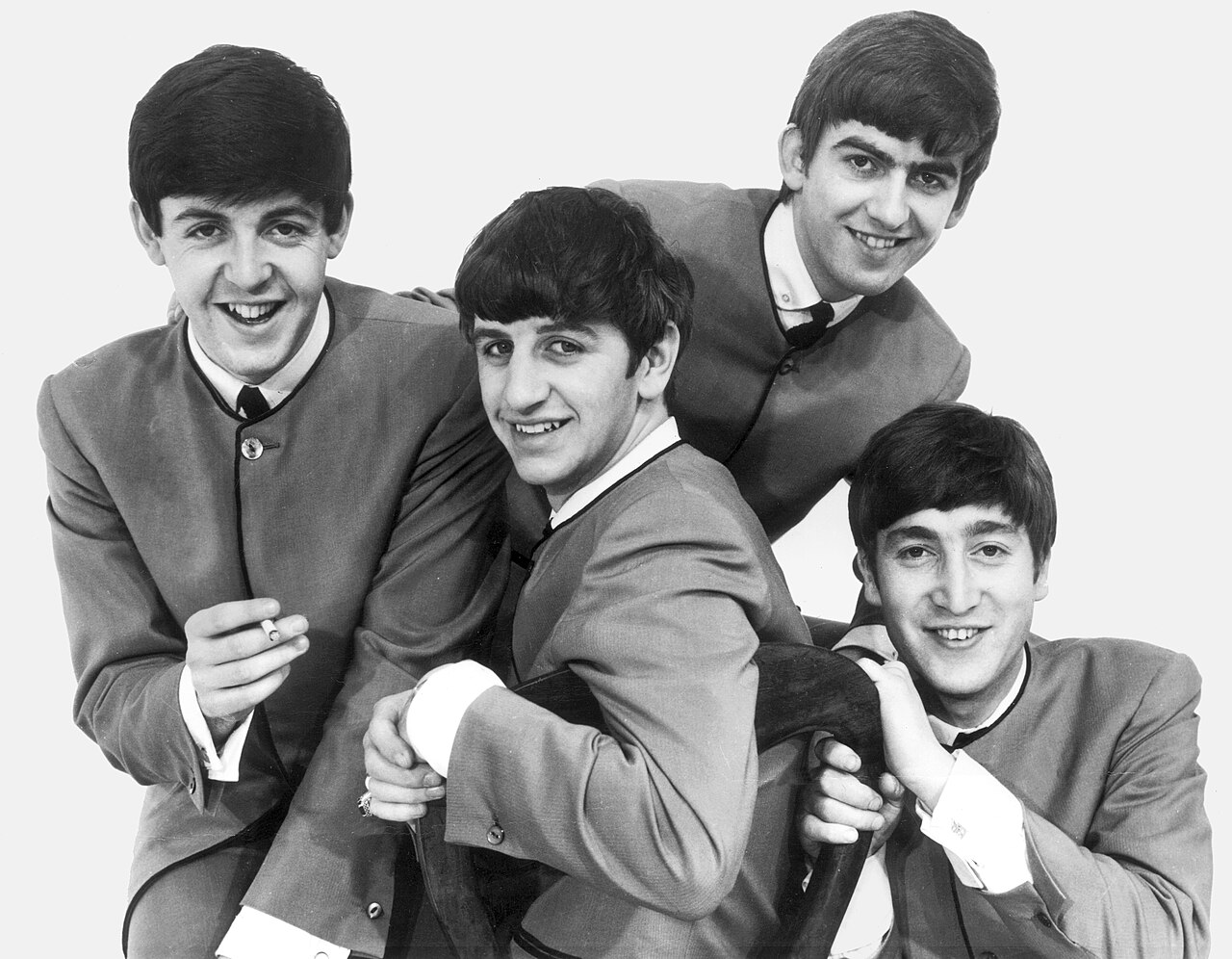
Learn more about the four musicians who changed popular music forever. Explore the lives, careers and contributions of John Lennon, Paul McCartney, George Harrison and Ringo Starr, from their Beatles years to their achievements beyond the band.
Many important moments in his solo career took place during this period. Songs such as Imagine, Mind Games and Whatever Gets You Thru The Night emerged from the creative energy of these years, while his growing interest in social and political issues became increasingly visible.
New York was also where Lennon experienced some of the most significant challenges of his life. During the 1970s he became involved in a lengthy immigration dispute with the United States government, a situation that attracted widespread media attention and became closely linked with his political activism.
Despite these difficulties, Lennon remained deeply attached to the city. In later years he embraced a quieter family life, spending time with Yoko Ono and their son Sean while stepping back from public activity for a period.
Today, New York remains one of the locations most closely associated with John Lennon’s legacy. For many fans, the city represents the final chapter of his remarkable life and career.
Read more: John Lennon In New York
The Lost Weekend
One of the most fascinating and frequently discussed periods in John Lennon’s life is the era often referred to as The Lost Weekend.
Despite its name, the period lasted approximately eighteen months between 1973 and 1975 and represented a significant chapter in Lennon’s personal and creative development.
During this time, Lennon and Yoko Ono temporarily separated. Lennon relocated to Los Angeles and spent much of the period in California, accompanied by May Pang, who became an important figure in his life during those years.
Although the era is often remembered for its excesses and highly publicised incidents, it was also a surprisingly productive period creatively.
Lennon continued recording music, writing songs and collaborating with a variety of artists. During this time he worked with musicians including:
- Elton John
- David Bowie
- Harry Nilsson
- Ringo Starr
Several important recordings emerged from the period, including material that appeared on Walls and Bridges and Rock ‘n’ Roll.
Many historians now view the Lost Weekend as more complex than its popular reputation suggests. While it included personal challenges and periods of instability, it also allowed Lennon to reconnect with friends, continue creating music and gain new perspectives on his life and relationships.
Eventually, Lennon reunited with Yoko Ono, bringing the period to an end and beginning a new chapter in his personal life.
The Lost Weekend remains one of the most intriguing and misunderstood episodes in the story of John Lennon.
Read more: John Lennon’s Lost Weekend
John Lennon As An Artist And Writer
Although best known as a musician, John Lennon possessed a wide range of creative talents that extended far beyond songwriting.
From an early age, Lennon showed a natural ability for drawing, writing and visual art. His teachers often recognised his artistic talent, even when they were less enthusiastic about his attitude towards conventional education.
Throughout his life he produced cartoons, sketches, poems, short stories and humorous writings that reflected his unique imagination and distinctive sense of humour.
Several books showcased this side of his creativity, including:
These works demonstrated Lennon’s love of wordplay, absurd humour and unconventional storytelling. Many of the ideas explored in his writing would later influence the lyrics and themes found in his songs.
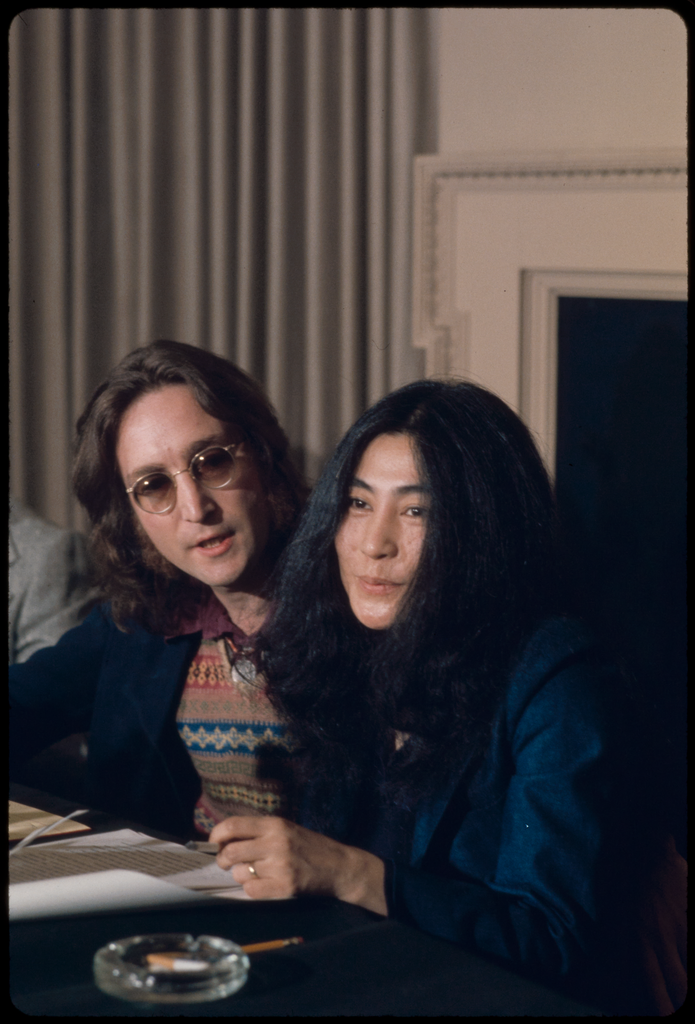
His artistic interests also played an important role in his relationship with Yoko Ono. Together they explored visual art, conceptual projects and experimental forms of creative expression that challenged traditional boundaries between art and music.
Lennon’s willingness to experiment across multiple creative disciplines helped distinguish him from many of his contemporaries. Rather than viewing himself solely as a musician, he saw creativity as something that could take many different forms.
Today, his drawings, writings and artistic projects remain an important part of his legacy and provide additional insight into one of the most imaginative figures in modern popular culture.
Awards And Recognition
John Lennon remains one of the most celebrated and influential musicians in modern history.
During his lifetime and in the decades since his death, he has received widespread recognition for his achievements as a songwriter, performer, cultural figure and creative innovator.
As a member of The Beatles, Lennon helped create one of the most successful catalogues in popular music history. The group’s recordings continue to receive critical acclaim and are regularly included in lists of the greatest albums and songs ever recorded.
His solo career also earned significant praise, with albums such as John Lennon/Plastic Ono Band and Imagine frequently recognised among the most influential releases of the twentieth century.
Among the many honours associated with Lennon’s career are:
- Induction into the Rock and Roll Hall of Fame as a member of The Beatles
- Induction into the Rock and Roll Hall of Fame as a solo artist
- Multiple Grammy Awards and Grammy recognition
- Inclusion in numerous lists of the greatest songwriters of all time
- Ongoing recognition for his contribution to music and popular culture
Perhaps more significant than any individual award is the continuing influence of his work. Few musicians have shaped popular music, songwriting and cultural discussion as profoundly as John Lennon.
More than four decades after his death, his recordings continue to be performed, studied and celebrated around the world, ensuring that his influence remains as powerful today as it was during his lifetime.
Songs
Ready to take a trip down The Long And Winding Road? Explore The Beatles’ extraordinary catalogue of songs, from timeless classics and chart-topping hits to hidden gems and album favourites. Discover the stories, recording history and fascinating facts behind the music that changed the world.
Albums
Journey through every Beatles album, from Please Please Me to Let It Be. Explore album histories, release information, recording details and complete track listings from one of the greatest catalogues in music history.
History
Want to know how four young musicians from Liverpool became the biggest band in the world? Follow The Beatles’ incredible journey from The Cavern Club and Hamburg to worldwide fame, Beatlemania and musical immortality.
Quick Facts About John Lennon
Full Name: John Winston Lennon
Born: 9 October 1940
Birthplace: Liverpool, England
Died: 8 December 1980
Occupation: Musician, Singer, Songwriter, Artist, Author, Peace Campaigner
Primary Instruments:
- Guitar
- Vocals
- Piano
- Harmonica
Best Known For:
- The Beatles
- Lennon-McCartney Partnership
- Solo Career
- Peace Activism
Famous Songs:
- Strawberry Fields Forever
- Help!
- In My Life
- Across The Universe
- Imagine
- Give Peace A Chance
Known As:
- Founder of The Beatles
- Peace Activist
- Cultural Icon
Why Is John Lennon Important?
John Lennon’s importance extends far beyond his role as a member of The Beatles.
As a songwriter, he helped redefine what popular music could achieve. Throughout the 1960s, Lennon demonstrated that pop songs could be personal, experimental, poetic and socially significant while still reaching a mass audience. His work with The Beatles helped transform popular music from simple entertainment into a serious artistic medium.
As one half of the Lennon-McCartney partnership, he contributed to a catalogue of songs that remains among the most influential in music history. Recordings such as Help!, In My Life, Strawberry Fields Forever, A Day In The Life, Across The Universe and Come Together continue to be studied, performed and celebrated decades after their release.
Lennon was also an important creative force behind many of The Beatles’ most innovative recordings. His willingness to experiment with lyrics, studio techniques and unconventional musical ideas helped push the boundaries of what popular music could become.
Beyond music, Lennon became one of the most recognisable cultural figures of the twentieth century. Through his peace activism, public campaigns and artistic collaborations, he demonstrated that musicians could use their influence to engage with social and political issues.
His impact can still be seen today in countless artists who cite him as an inspiration. Songwriters, performers and musicians across multiple generations continue to draw influence from his creativity, honesty and willingness to challenge expectations.
Few individuals have had a greater influence on modern music, popular culture and artistic expression.
John Lennon’s Death And Global Reaction
On 8 December 1980, John Lennon died in New York City at the age of forty.
The news sent shockwaves around the world. Millions of people who had grown up listening to The Beatles struggled to comprehend that one of the most famous musicians in history was gone.
Television and radio stations interrupted regular programming to report the news. Newspapers across the globe carried front-page coverage, while fans gathered in cities around the world to pay tribute. In Liverpool, New York and countless other locations, people assembled to sing Beatles songs, leave flowers and reflect on Lennon’s extraordinary life and career.
The reaction demonstrated the unique place Lennon occupied within popular culture. Although many musicians had achieved fame, few had become such a significant part of everyday life for so many people. For an entire generation, John Lennon had been present throughout the defining moments of the 1960s and 1970s.
Fellow musicians also paid tribute to his influence. Artists from across the music industry acknowledged the impact Lennon had made through his song writing, creativity and willingness to challenge conventions. His work with The Beatles had transformed popular music, while his solo recordings had continued to inspire audiences long after the band’s breakup.
In the years since his death, numerous memorials, documentaries, books and exhibitions have explored Lennon’s life and legacy. Locations associated with him, including Strawberry Field in Liverpool and various sites in New York, continue to attract visitors from around the world.
More than four decades later, his music remains widely listened to and his influence continues to be felt across popular culture.
Read more: The Death Of John Lennon
Why John Lennon Still Matters Today
Even many years after his death, John Lennon remains one of the most influential figures in modern music.
His songs continue to reach new audiences through streaming services, documentaries, films and radio broadcasts. Younger listeners regularly discover Beatles recordings for the first time, while songs such as Imagine, Help!, Strawberry Fields Forever and Across The Universe remain among the most celebrated recordings ever made.
Part of Lennon’s enduring appeal lies in the timeless nature of his work. Many of the themes explored in his songs, including love, identity, memory, hope and personal growth, remain just as relevant today as they were when they were first written.
His influence also extends beyond music. Lennon’s artistic curiosity, willingness to experiment and commitment to expressing his own ideas continue to inspire musicians, writers, artists and creative thinkers around the world.
For Beatles fans, Lennon remains a central figure in one of the greatest stories in music history. For newer audiences, he represents an artist who consistently pushed himself creatively and refused to accept limitations.
His life was relatively short, but the impact of his work has proven remarkably durable. Each generation discovers something new in his music, ensuring that John Lennon’s legacy continues to evolve long after his lifetime.
Whether remembered as a Beatle, a songwriter, a solo artist, a peace campaigner or a cultural icon, John Lennon remains one of the defining figures of the modern age.
Key Dates In John Lennon’s Life
- 1940 – Born in Liverpool
- 1956 – Forms The Quarrymen
- 1957 – Meets Paul McCartney
- 1958 – Death of Julia Lennon
- 1960 – The Beatles formed
- 1969 – Marries Yoko Ono
- 1969 – Bed-Ins For Peace
- 1970 – The Beatles break up
- 1971 – Imagine released
- 1980 – Double Fantasy released
- 1980 – Dies in New York
The Legacy Of John Lennon
John Lennon’s legacy is one of extraordinary creativity, influence and cultural significance.
As founder of The Beatles, one half of the Lennon-McCartney partnership and a successful solo artist, he helped shape the course of modern music.
His songs continue to inspire audiences around the world, while his artistic and humanitarian contributions remain widely recognised.
For Beatles fans, John Lennon remains one of the defining figures in the story of the world’s most influential band. For music lovers more broadly, he stands among the most important artists of the twentieth century.
John Lennon FAQ’s
When Was John Lennon Born?
John Lennon was born on 9 October 1940 in Liverpool, England.
What Was John Lennon’s Most Famous Beatles Song?
Many people consider Strawberry Fields Forever, Help! or In My Life among his most famous Beatles songs.
Did John Lennon Write Imagine?
Yes. Imagine was released in 1971 and became one of the most famous songs in music history.
Who Was Yoko Ono?
Yoko Ono is an artist, musician and peace activist who became John Lennon’s wife and creative partner.
What Were The Bed-Ins For Peace?
The Bed-Ins were peace demonstrations staged by John Lennon and Yoko Ono in 1969.
What Was The Lost Weekend?
The Lost Weekend was a period of separation from Yoko Ono during the mid-1970s that became an important chapter in Lennon’s life.
Why Is John Lennon Important?
John Lennon helped transform popular music through his song writing, creativity, activism and cultural influence.
Why Is John Lennon Still Famous?
His music, ideas and influence continue to resonate with audiences around the world decades after his death.
Meet The Beatles
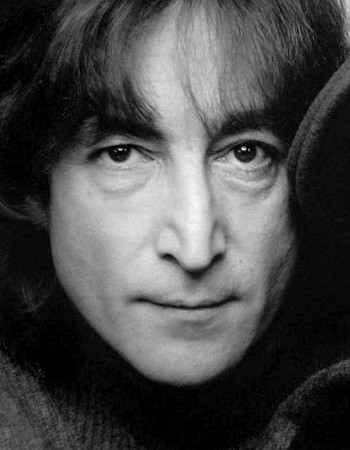
John Lennon
John Lennon was a founding member of The Beatles and one half of the legendary Lennon-McCartney song writing partnership. As a singer, songwriter and rhythm guitarist, Lennon played a central role in the band’s development and was responsible for many of its most influential songs.
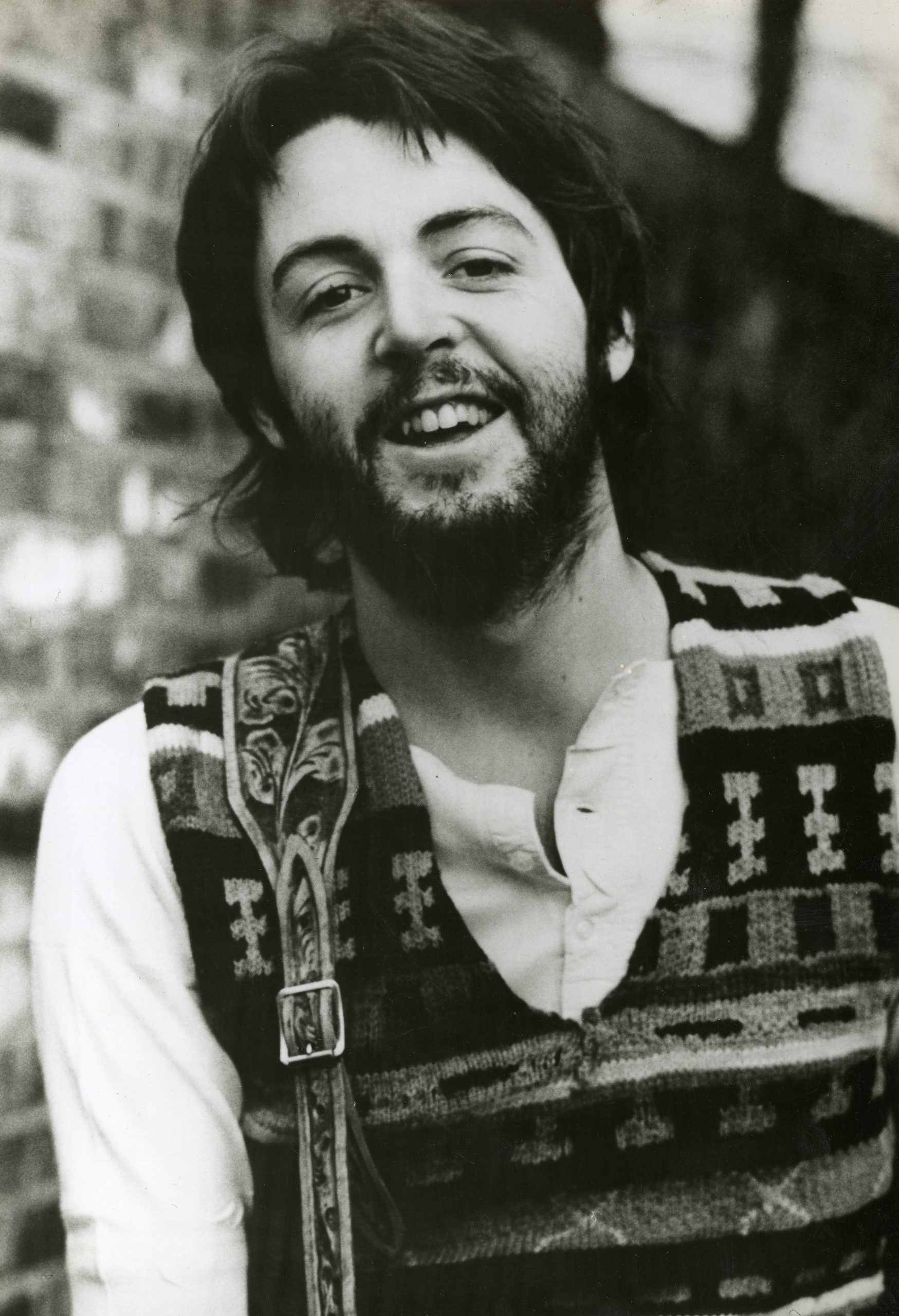
Paul McCartney
Paul McCartney joined John Lennon’s group in 1957 and became one of the most successful songwriters in music history. As bassist, singer and songwriter, McCartney contributed countless classics and remains one of the most recognisable figures in popular music.
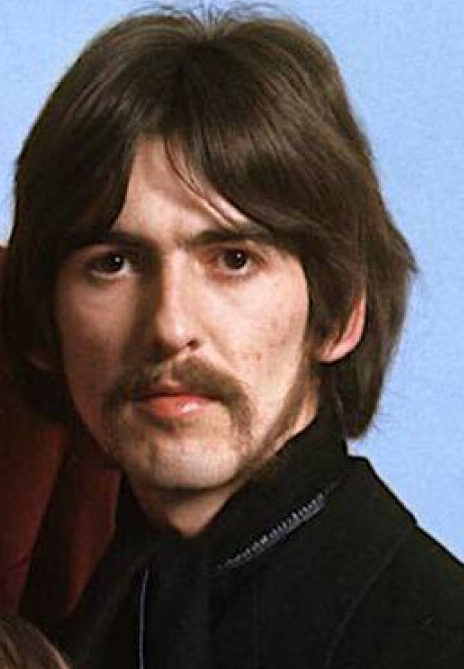
George Harrison
George Harrison joined the group while still a teenager and developed into an accomplished guitarist, singer and songwriter. Often referred to as “The Quiet Beatle”, Harrison helped expand the band’s musical horizons through his interest in Indian music and spiritual influences.
Ringo Starr
Ringo Starr became The Beatles’ drummer in 1962 and quickly established himself as an essential part of the group. His distinctive drumming style, humour and stage presence helped make him one of the most popular members of the band.