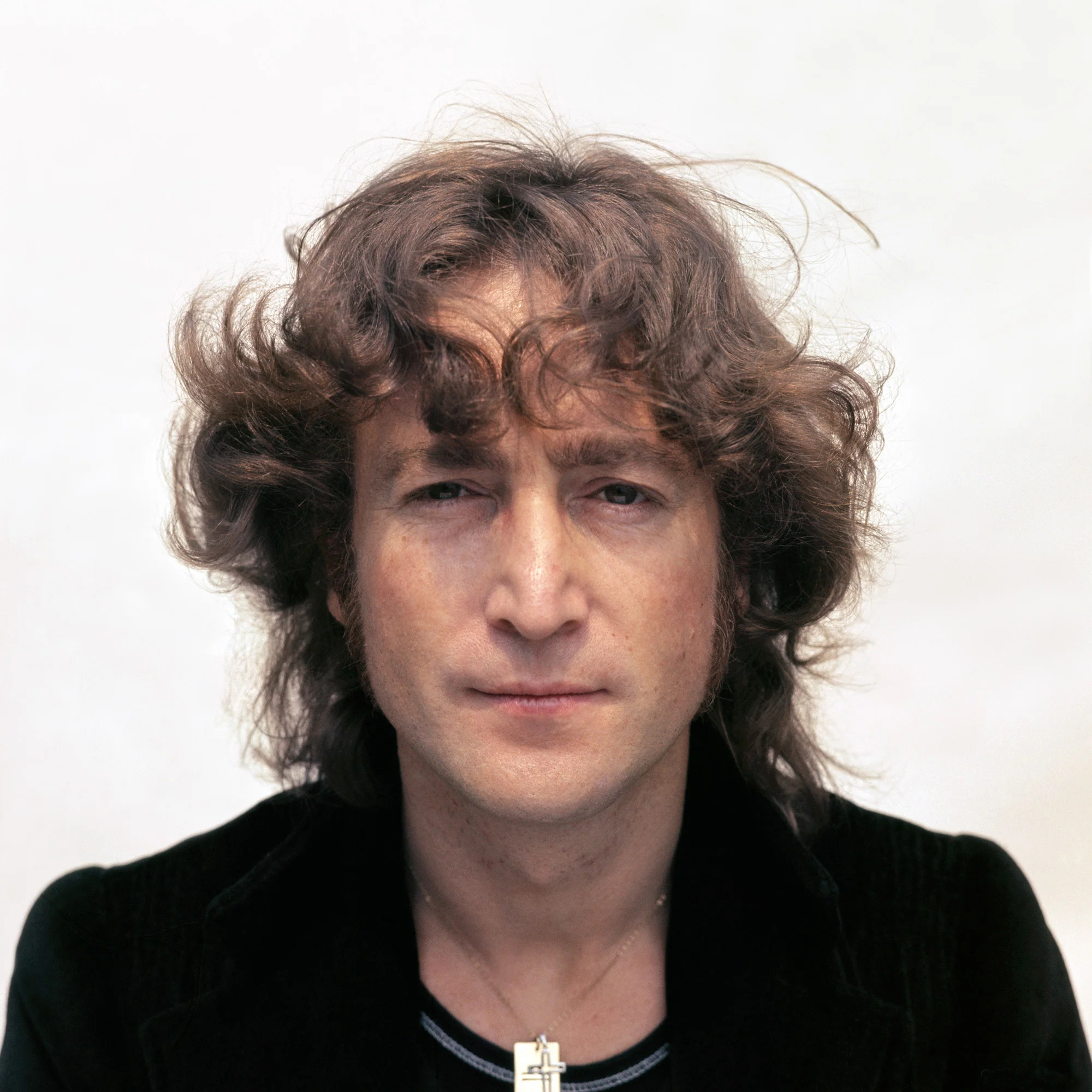
On 8 December 1980, the world lost one of its most influential musicians, songwriters and cultural figures. The death of John Lennon shocked millions of people across the globe and marked one of the defining moments in modern music history.
As a founding member of The Beatles, Lennon helped transform popular music and became part of one of the most successful song writing partnerships ever created. His work influenced generations of musicians, while songs such as Help!, In My Life, Strawberry Fields Forever and Imagine became part of the cultural fabric of the twentieth century.
The circumstances of his death generated worldwide headlines, but the story of John Lennon’s final years is about far more than a single evening in December 1980. It is also the story of a musician enjoying a creative revival, a husband and father embracing family life, and an artist who still had ambitious plans for the future.
All these years later, Lennon remains one of the most recognisable figures in music history. His recordings continue to attract new audiences, while locations associated with his life in Liverpool and New York draw visitors from around the world.
This article examines the final chapter of John Lennon’s life, the events surrounding his death, the extraordinary reaction that followed and the enduring legacy that continues to shape music and popular culture today.
John Lennon In 1980: A New Beginning
By the start of 1980, John Lennon had reached a very different stage of life from the young musician who first emerged from Liverpool in the late 1950s.
The previous decade had been filled with dramatic change. The Beatles had broken up, Lennon had established a successful solo career, moved permanently to New York, become involved in political activism and experienced both personal and professional highs and lows. Many of these events are explored in greater detail in our articles on:
Following the birth of his son Sean in October 1975, Lennon largely stepped away from the music industry. Unlike many artists who withdraw because of declining success, his decision was a deliberate one. He wanted to focus on family life and spend time raising his son.
For much of the second half of the 1970s, Lennon lived a relatively private life. He spent time at home, travelled less frequently and largely avoided the constant publicity that had followed him since Beatlemania.
Friends and visitors often described a man who seemed happier and more settled than he had been for years. After decades of fame, controversy and pressure, he appeared to enjoy the normal routines of family life.
Yet he never completely abandoned music.
Throughout this period, Lennon continued writing songs and developing ideas. By 1980, his creative instincts were beginning to re-emerge and he felt ready to return to recording.
What makes this period particularly significant is that Lennon was looking forwards rather than backwards. Interviews from 1980 reveal a man who remained curious, ambitious and enthusiastic about the future. He spoke about music, technology, family life and creativity with the same energy that had characterised much of his earlier career.
Many observers believed they were witnessing the beginning of a major comeback.
For that reason, the events of December 1980 felt especially shocking. Lennon was not viewed as a retired musician living on past achievements. He was actively creating, planning and looking forward to the next phase of his life.
From chart-topping classics and hidden album tracks to song writing history, recording details, song meanings and fascinating facts, discover the stories behind some of the greatest songs ever recorded.
The Double Fantasy Comeback
The release of Double Fantasy in November 1980 marked Lennon’s first new studio album in five years and represented one of the most anticipated returns in popular music.
The album was a collaboration between Lennon and Yoko Ono, with songs alternating between the two artists. Unlike many of his earlier solo records, which often reflected political concerns or personal struggles, Double Fantasy focused heavily on marriage, parenthood and personal growth.
Songs such as:
- (Just Like) Starting Over
- Woman
- Watching The Wheels
- Beautiful Boy (Darling Boy)
revealed a more mature and reflective Lennon.
The album presented a very different image from the outspoken activist of the early 1970s. Instead, listeners heard a songwriter celebrating family life and looking towards the future with optimism.
In interviews conducted during the weeks following the album’s release, Lennon spoke openly about future recording projects. He discussed plans for additional music and expressed excitement about returning to creative work after several years away.
Looking back, one of the reasons his death had such a profound impact was that it occurred during what appeared to be a genuine artistic renewal.
Many fans believed they were witnessing the beginning of an exciting new chapter rather than the conclusion of a remarkable career.
The Final Months Of John Lennon’s Life
The months leading up to December 1980 were among the busiest Lennon had experienced in years.
He participated in interviews with newspapers, magazines, radio stations and television programmes. Unlike the guarded Lennon of some previous periods, he often appeared relaxed and willing to discuss both his past and his future.
These interviews remain fascinating because they reveal a man who seemed optimistic and engaged.
He spoke about:
- Family life with Yoko Ono and Sean Lennon.
- Returning to recording.
- His experiences with The Beatles.
- The changing music industry.
- Creativity and songwriting.
- Plans for future albums.
Perhaps most strikingly, Lennon rarely sounded like someone living in the past.
Although he recognised the importance of The Beatles and his place in music history, he remained interested in what might come next.
Many artists spend their later years celebrating former achievements. Lennon seemed more interested in creating new ones.
This makes the events that followed all the more tragic.
8 December 1980
Monday 8 December 1980 began as a relatively normal day for John Lennon and Yoko Ono.
The couple participated in interviews and attended a photo session. Later, they travelled to a recording studio where they continued work on new material.
By all accounts, it was a productive day.
That evening, after leaving the studio, Lennon and Ono returned to the Dakota, the apartment building overlooking Central Park that had served as their home for several years.
Outside the building, Lennon was attacked and fatally injured.
Emergency services responded quickly and he was transported to Roosevelt Hospital in Manhattan. Despite the efforts of medical staff, he died later that evening at the age of forty.
Within hours, one of the most famous musicians in the world was gone.
The news quickly spread through New York before reaching the rest of the world.
Discover detailed guides to every Beatles album, from Please Please Me through to Let It Be. Learn when each album was recorded and released, explore complete track listings and uncover the history behind the records that changed popular music forever.
How The News Reached The World
Today, major news stories spread across social media within seconds.
In 1980, information travelled very differently.
Most people learned of John Lennon’s death through television broadcasts, radio reports or newspaper headlines. As news organisations worked to verify details, broadcasters interrupted regular programming to provide updates.
One of the most famous moments in television history occurred during a live broadcast of Monday Night Football in the United States.
Commentator Howard Cosell informed viewers that Lennon had died, bringing a major sporting event to an unexpected halt.
For millions of Americans, this was the moment they first heard the news.
Across Britain, radio stations quickly altered their schedules. Beatles songs began appearing throughout broadcasts as presenters attempted to process a story few had expected to report.
Newspapers rushed to prepare special editions. Journalists who had spent years covering Lennon’s career suddenly found themselves writing tributes rather than reviews or interviews.
The speed with which the news spread was remarkable for the era. Within hours, people across Europe, North America, Asia and Australia were discussing the same story.
Many fans later recalled exactly where they were when they heard the news.
That fact alone demonstrates the significance of the event. Like other major historical moments, the announcement became a lasting memory for an entire generation.
The public reaction was amplified by the contrast between the news itself and Lennon’s recent activities. Only weeks earlier, he had been promoting Double Fantasy, giving interviews and discussing future plans.
The sudden transition from optimism to tragedy made the story even harder for many people to comprehend.
Why The News Was So Shocking
The death of any famous musician attracts attention, but the reaction to Lennon’s death was exceptional.
Part of this was due to his status as a member of The Beatles.
By 1980, The Beatles had already become far more than a successful band. They were cultural icons whose music had shaped the lives of millions of people.
For many listeners, Beatles songs were linked to personal memories stretching back nearly two decades.
Songs such as:
- Help!
- In My Life
- A Day In The Life
- Strawberry Fields Forever
- Come Together
- Across The Universe
had become part of everyday life.
Lennon was not simply a musician people admired. For many, he felt familiar.
His death therefore produced a sense of personal loss that extended far beyond the normal reaction to celebrity news.
The World Mourns John Lennon
In the days following his death, public mourning took place on an extraordinary scale.
Fans gathered in cities around the world to share memories, play Beatles records and pay tribute to Lennon.
The scale of the response demonstrated just how influential he had become.
New York
New York became the centre of public mourning.
Thousands of people gathered outside the Dakota building, leaving flowers, letters and personal tributes.
Many stood silently. Others sang Beatles songs.
Some simply wanted to be near a place associated with Lennon.
The gatherings continued for days and attracted international media attention.
Liverpool
The reaction in Liverpool was particularly emotional.
Lennon remained one of the city’s most famous sons and many local residents felt a strong connection to him.
People visited locations associated with his childhood, including Mendips, Strawberry Field and St Peter’s Church.
Across the city, tributes appeared in public spaces and community venues.
For Liverpool, the loss felt personal.
UK
Across the United Kingdom, newspapers devoted extensive coverage to Lennon’s life and achievements.
Television broadcasters aired documentaries, interviews and musical tributes.
For many people who had experienced Beatlemania firsthand, the news represented the end of an era.
Around The World
The response extended far beyond Britain and America.
Memorial events took place across Europe, Asia, Australia and South America.
Radio stations devoted entire programmes to Beatles music.
Newspapers published special editions.
Fans gathered in public spaces to mourn collectively.
Few musicians before or since have inspired such widespread international mourning.
Learn more about the four musicians who changed popular music forever. Explore the lives, careers and contributions of John Lennon, Paul McCartney, George Harrison and Ringo Starr, from their Beatles years to their achievements beyond the band.
The Beatles After John Lennon
The death of John Lennon had a profound impact on the surviving Beatles.
Although the group had officially broken up a decade earlier, the relationships formed during their years together remained significant.
Paul McCartney
No individual had shared more of Lennon’s musical journey than Paul McCartney.
From their first meeting in Liverpool through the rise of The Beatles and the creation of the Lennon-McCartney partnership, their lives remained closely connected.
McCartney later spoke openly about the shock of losing his friend and collaborator.
Throughout the following decades, he regularly paid tribute to Lennon through performances, interviews and recordings.
George Harrison
George Harrison was also deeply affected.
Although relationships within The Beatles were sometimes complicated, Harrison and Lennon shared experiences that few other people could understand.
Harrison continued celebrating Lennon’s legacy throughout the remainder of his life.
Ringo Starr
Ringo Starr travelled to support Yoko Ono and Sean Lennon following the tragedy.
Like McCartney and Harrison, he recognised that Lennon was far more than a former bandmate.
Together, the four Beatles had experienced a journey unlike any other in popular music history.
Explore the fascinating history of The Beatles, from their early days in Liverpool to becoming the most successful and influential band in popular music history. Discover the people, places and events that shaped the band’s remarkable journey and lasting legacy.
Songs
Ready to take a trip down The Long And Winding Road? Explore The Beatles’ extraordinary catalogue of songs, from timeless classics and chart-topping hits to hidden gems and album favourites. Discover the stories, recording history and fascinating facts behind the music that changed the world.
Albums
Journey through every Beatles album, from Please Please Me to Let It Be. Explore album histories, release information, recording details and complete track listings from one of the greatest catalogues in music history.
History
Want to know how four young musicians from Liverpool became the biggest band in the world? Follow The Beatles’ incredible journey from The Cavern Club and Hamburg to worldwide fame, Beatlemania and musical immortality.
Keeping Lennon’s Legacy Alive
The years after Lennon’s death demonstrated that his influence remained central to The Beatles story.
Projects such as:
allowed the surviving Beatles to reconnect with Lennon’s music and introduce it to new generations.
For fans, these releases served as powerful reminders that Lennon’s voice remained an essential part of The Beatles’ story.
Yoko Ono And Sean Lennon
No discussion of Lennon’s death would be complete without recognising its impact on his family.
Yoko Ono lost her husband and creative partner.
Sean Lennon lost his father at just five years old.
The years that followed were understandably difficult, but both played important roles in preserving Lennon’s legacy.
Ono supported exhibitions, archive releases, documentaries and charitable initiatives connected to Lennon’s life and work.
Sean Lennon later established his own successful music career while continuing to celebrate his father’s achievements.
Together they helped ensure that Lennon’s work remained accessible to future generations.
Strawberry Fields: New York’s Tribute To John Lennon
One of the most significant memorials to Lennon can be found in Central Park.
Located opposite the Dakota building, Strawberry Fields was created as a permanent tribute to his life.
Named after Strawberry Fields Forever, the memorial attracts visitors from around the world.
At its centre lies the famous Imagine mosaic, one of the most recognisable Beatles landmarks anywhere.
Every year, fans gather there to celebrate Lennon’s life and music.
For many visitors, Strawberry Fields has become a place of remembrance, reflection and appreciation.
Readers interested in the story behind the song that inspired the memorial can learn more in Why Did John Lennon Write Strawberry Fields Forever?
How Liverpool Remembers John Lennon
Although Lennon spent his final years in New York, Liverpool remains central to his identity.
The city shaped his childhood, his personality and his music. It was where he met Paul McCartney, formed The Quarrymen and began the journey that eventually led to The Beatles.
When news of his death reached Liverpool, the reaction was immediate.
Across the city, residents gathered to discuss the events. Local radio stations devoted extensive coverage to Lennon’s life and achievements, while newspapers reflected on the loss of one of Liverpool’s most famous sons.
For many people in the city, Lennon was not simply a global celebrity. He was someone whose story began in familiar streets, schools and neighbourhoods.
Visitors soon began leaving flowers and messages at locations connected to Lennon, including Strawberry Field and Mendips.
In the decades since, Liverpool has increasingly embraced its connection to Lennon and The Beatles. Museums, exhibitions, statues and heritage projects help preserve the story of the city’s most famous musical export.
Today, visitors travel from around the world to explore:
- Mendips
- Strawberry Field
- Penny Lane
- St Peter’s Church
- The Cavern Club
These sites have become important cultural landmarks, helping new generations understand how a young boy from Liverpool became one of the most influential musicians in history.
The city’s continuing relationship with Lennon demonstrates that his legacy extends far beyond his recordings.

Meet The Beatles
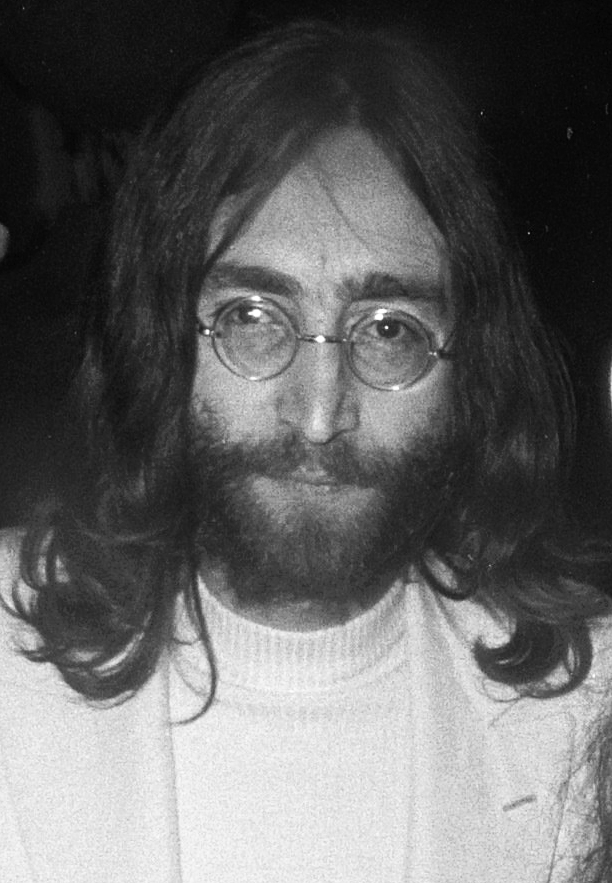
John Lennon
John Lennon was a founding member of The Beatles and one half of the legendary Lennon-McCartney song writing partnership. As a singer, songwriter and rhythm guitarist, Lennon played a central role in the band’s development and was responsible for many of its most influential songs.
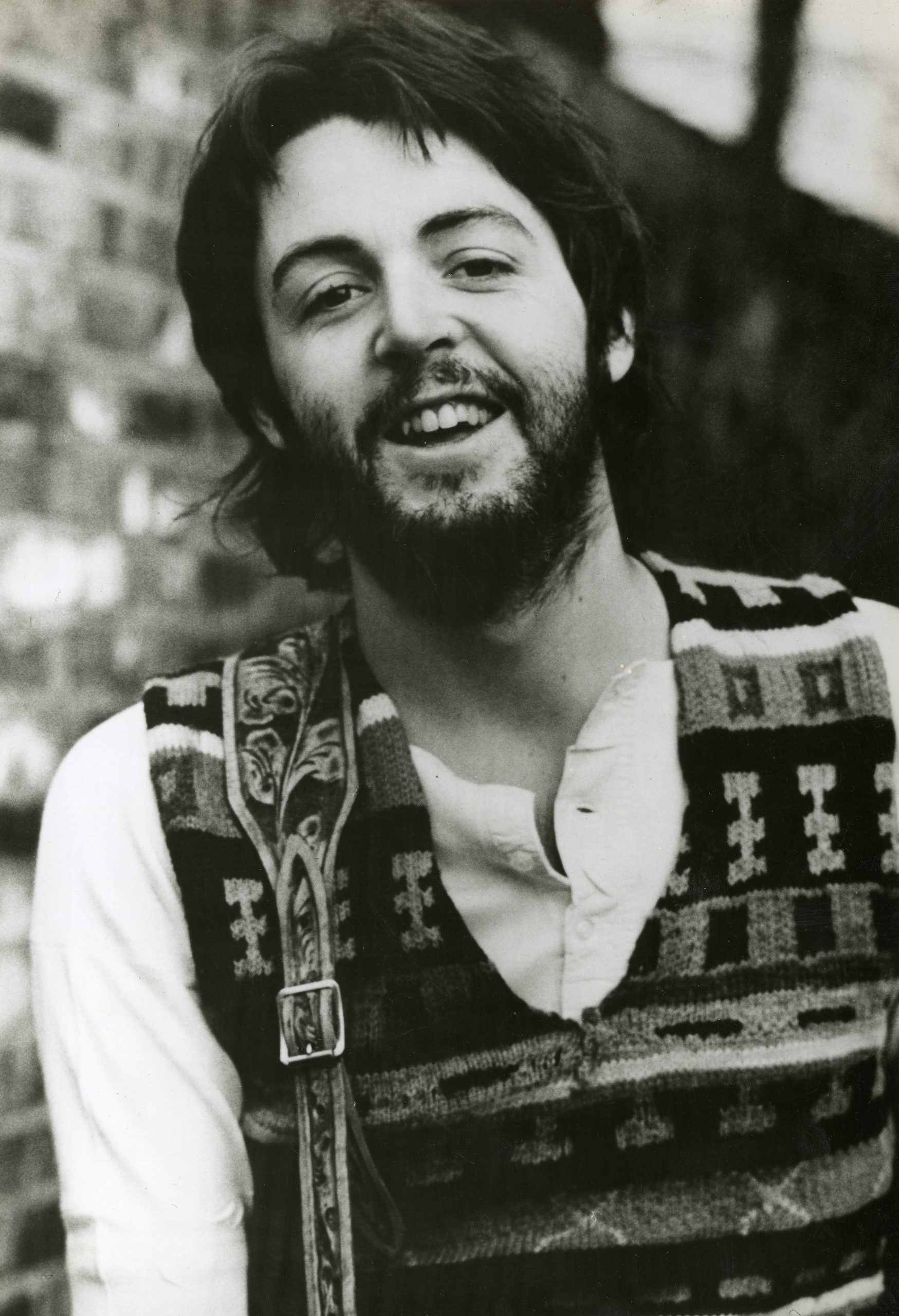
Paul McCartney
Paul McCartney joined John Lennon’s group in 1957 and became one of the most successful songwriters in music history. As bassist, singer and songwriter, McCartney contributed countless classics and remains one of the most recognisable figures in popular music.
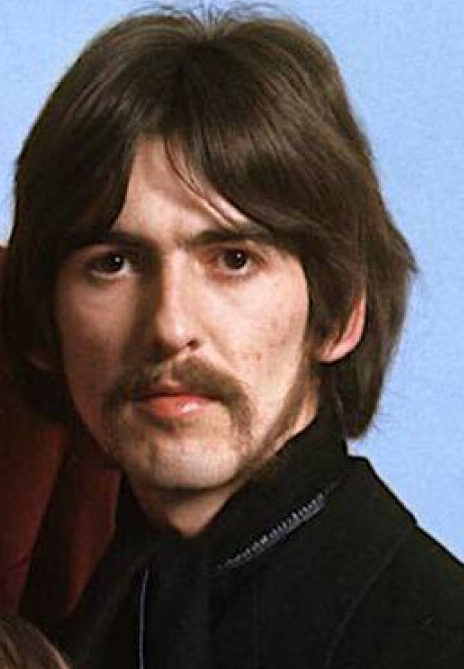
George Harrison
George Harrison joined the group while still a teenager and developed into an accomplished guitarist, singer and songwriter. Often referred to as “The Quiet Beatle”, Harrison helped expand the band’s musical horizons through his interest in Indian music and spiritual influences.
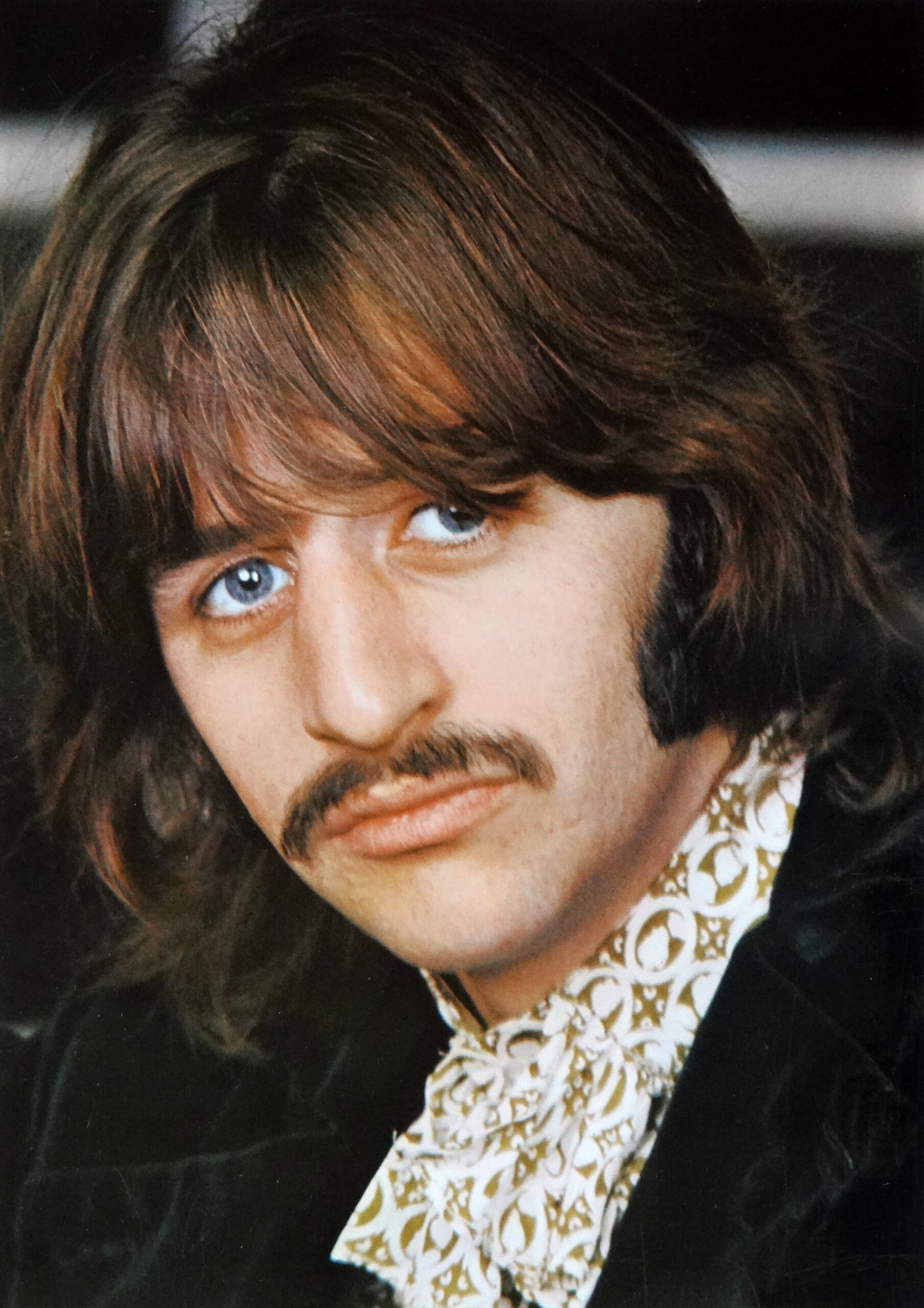
Ringo Starr
Ringo Starr became The Beatles’ drummer in 1962 and quickly established himself as an essential part of the group. His distinctive drumming style, humour and stage presence helped make him one of the most popular members of the band.
The Legacy Of John Lennon
The true significance of John Lennon cannot be measured solely through record sales, awards or chart positions.
His lasting influence comes from the extraordinary breadth of his achievements and the continuing relevance of his work.
Lennon The Beatle
As a founding member of The Beatles, Lennon helped transform popular music.
The band’s influence can be heard in almost every area of modern music and popular culture.
Songs written or co-written by Lennon continue to be studied, performed and celebrated around the world.
Lennon The Songwriter
Lennon’s greatest songs remain remarkably powerful decades after they were written.
Tracks such as:
- Help!
- In My Life
- Strawberry Fields Forever
- A Day In The Life
- Across The Universe
- Come Together
demonstrate his ability to combine honesty, imagination and emotional depth.
Many critics regard him as one of the most important songwriters of the twentieth century.
Lennon The Solo Artist
Following the break-up of The Beatles, Lennon established himself as a successful solo musician.
Albums such as John Lennon/Plastic Ono Band, Imagine and Double Fantasy demonstrated that he could create influential music outside the Beatles framework.
Lennon The Activist
Throughout the 1970s, Lennon used his fame to promote causes he believed in.
His peace campaigns with Yoko Ono became some of the most recognisable examples of celebrity activism of the era.
Lennon The Cultural Figure
Few musicians have become cultural symbols in the way Lennon has.
His image remains instantly recognisable. His words continue to appear in books, documentaries and public discussions. His music is still played across the world.
Why His Legacy Endures
Perhaps the most remarkable aspect of Lennon’s legacy is that it continues to grow.
Every year, new listeners discover The Beatles.
Every year, visitors travel to Liverpool and New York to explore places associated with his life.
Every year, songs such as Imagine, In My Life and Strawberry Fields Forever find new audiences.
More than forty years after his death, Lennon remains relevant because the themes he explored remain universal.
His songs address memory, identity, hope, uncertainty, love and imagination.
Ultimately, this is why John Lennon remains such an important figure in music history.
His influence did not end on 8 December 1980.
Through his music and ideas, it continues to be felt around the world today.
Why John Lennon Still Matters Today
More than four decades after his death, John Lennon continues to attract new audiences.
Part of that appeal comes from the timeless quality of his music.
Part comes from the honesty of his songwriting.
But perhaps most importantly, it comes from the themes he explored:
- memory
- identity
- love
- peace
- hope
- imagination
These themes remain relevant across generations.
New listeners continue to discover Beatles recordings every year, while long-time fans return to music that has accompanied them throughout their lives.
That enduring connection is the true measure of Lennon’s influence.
Final Thoughts
The death of John Lennon on 8 December 1980 marked one of the defining moments in modern music history.
The event shocked fans around the world and brought an abrupt end to the life of a remarkable artist. Yet while his death remains an important part of his story, it is not the reason he is remembered.
John Lennon is remembered because of the songs he wrote, the ideas he expressed and the influence he had on millions of people.
As a Beatle, a solo artist, a songwriter and a cultural icon, he helped shape the sound of the twentieth century.
More than four decades later, his music continues to inspire, challenge and move listeners around the world.
That enduring legacy remains the greatest tribute to his life.
Latest Posts
- The Death of John Lennon
 John Lennon’s death on 8 December 1980 shocked millions around the world. This article examines the events of that day, the global reaction and the lasting legacy of one of music’s most influential figures.
- John Lennon’s Greatest Beatles SongsExplore John Lennon’s greatest Beatles songs, from Help! and In My Life to Strawberry Fields Forever and Come Together, and discover the albums and stories behind his most influential recordings.
- Why Did John Lennon Write Strawberry Fields Forever?Discover why John Lennon wrote Strawberry Fields Forever, exploring the Liverpool childhood memories, song writing inspiration and ground breaking recording techniques behind one of The Beatles’ most famous songs.
- John Lennon’s Solo CareerExplore John Lennon’s solo career, from Plastic Ono Band and Imagine to Double Fantasy, including his albums, songs, influences and lasting musical legacy.