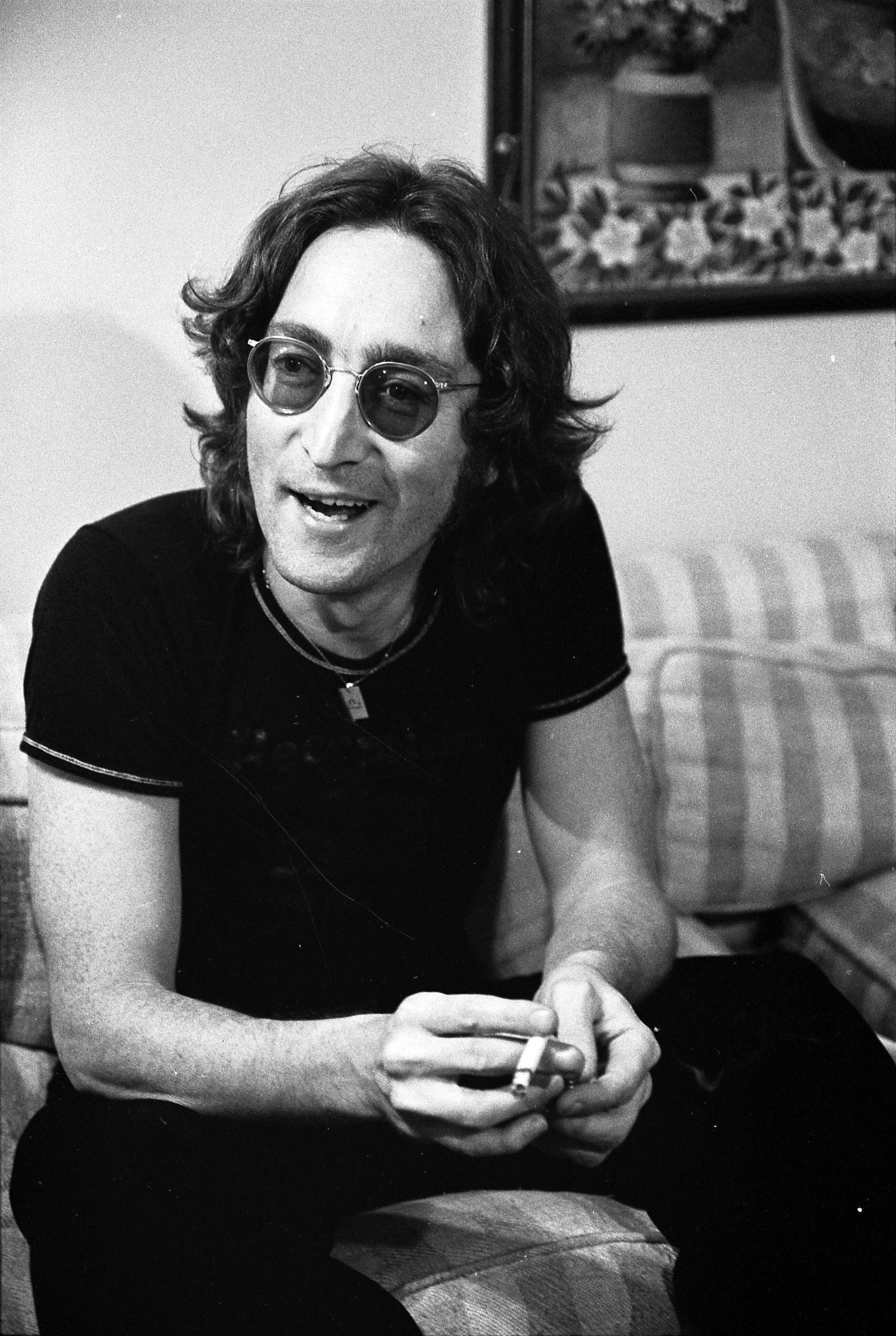
When people hear the phrase “John Lennon’s Lost Weekend”, they often imagine a brief period of excess and personal turmoil. In reality, the Lost Weekend lasted for around eighteen months between 1973 and 1975 and became one of the most fascinating chapters in Lennon’s life. During this time, he temporarily separated from Yoko Ono, formed a relationship with May Pang, spent much of his time in Los Angeles, recorded new music and collaborated with some of the biggest names in rock music.
Although the period gained a reputation for wild parties and tabloid headlines, it was also surprisingly productive. Lennon recorded two important albums, reconnected with friends, performed live for the first time in years and began reflecting on the direction of his life and career. The Lost Weekend ultimately ended with his return to Yoko Ono and New York, but it remains one of the most discussed periods of his post-Beatles years.
From chart-topping classics and hidden album tracks to song writing history, recording details, song meanings and fascinating facts, discover the stories behind some of the greatest songs ever recorded.
What Was John Lennon’s Lost Weekend?
The term “Lost Weekend” was later used to describe the period from 1973 to 1975 when John Lennon and Yoko Ono temporarily separated. Despite the name, the period lasted far longer than a weekend and involved significant personal and professional developments.
The phrase became popular because it seemed to capture the chaotic nature of Lennon’s life during those years. Stories of late-night parties, celebrity friendships and unusual behaviour often dominated newspaper headlines. However, the label can sometimes be misleading.
For Lennon, the period was not simply a time of excess. It was also a period of creativity, self-discovery and personal change. Many of the experiences that shaped his later years occurred during this time, making it an important chapter in understanding the man he became after The Beatles.
Readers looking for an overview of Lennon’s life can find more information on the John Lennon page, while his later years in America are explored further in John Lennon In New York.
Why Did John Lennon And Yoko Ono Separate?
By the early 1970s, John Lennon and Yoko Ono were one of the most famous couples in the world. Their relationship had attracted enormous media attention, and they had spent years working together on music, art projects and political campaigns.
However, fame, creative pressures and the demands of public life inevitably placed strain on their relationship. In 1973, the couple decided to spend time apart.
It is important not to oversimplify the situation. The separation was not the result of a single argument or event. Rather, it reflected a complicated period in both their lives. Lennon was dealing with personal challenges, career uncertainty and the pressures that followed the break-up of The Beatles.
Despite the separation, Lennon and Ono remained in contact. Their story was far from over, and the Lost Weekend would ultimately become one chapter in a much longer relationship.
A full exploration of their partnership will be covered in John Lennon And Yoko Ono.
Who Was May Pang?
One of the key figures in the Lost Weekend story was May Pang.
Pang worked for John Lennon and Yoko Ono and had become a trusted member of their inner circle. During the separation, she and Lennon began a relationship that lasted for much of the Lost Weekend period.
Unlike many people who entered Lennon’s life because of his fame, Pang already knew him personally and understood the pressures he faced. She accompanied him during much of his time in Los Angeles and witnessed both the positive and difficult moments of the period.
Many accounts suggest that Pang played a stabilising role in Lennon’s life. She encouraged him to reconnect with family members and old friends and supported his creative work during a period that could easily have become far more destructive.
Years later, Pang shared her experiences through interviews and books, providing valuable insight into a period that had often been misunderstood or sensationalised.
Life In Los Angeles
Although Lennon remained connected to New York, much of the Lost Weekend was spent in Los Angeles.
The city offered a very different atmosphere from the politically charged environment Lennon had experienced in New York. Los Angeles was at the centre of the entertainment industry and attracted musicians, actors and celebrities from around the world.
For Lennon, it represented both freedom and temptation.
A New Environment
Los Angeles allowed Lennon to escape some of the pressures that had surrounded him in New York. He was able to socialise more freely, spend time with fellow musicians and immerse himself in the city’s music scene.
At the same time, the change of environment contributed to some of the behaviour that later defined the Lost Weekend’s reputation.
The Hollywood Lifestyle
Lennon became a familiar figure in clubs, restaurants and recording studios throughout Los Angeles. His celebrity status meant he was constantly surrounded by musicians and entertainers.
Stories from the period often focus on late-night adventures and headline-grabbing incidents. While some of these stories have become part of rock-and-roll folklore, they can sometimes overshadow the more significant achievements of the era.
A Creative Period
Despite the distractions, Lennon remained productive. He continued writing, recording and collaborating with other musicians.
Far from disappearing from the music world, he was actively creating new material and developing ideas that would shape his future work.
Explore the fascinating history of The Beatles, from their early days in Liverpool to becoming the most successful and influential band in popular music history. Discover the people, places and events that shaped the band’s remarkable journey and lasting legacy.
Famous Friends During The Lost Weekend
One reason the Lost Weekend continues to fascinate Beatles fans is the number of famous figures who appeared in Lennon’s life during the period.
Harry Nilsson
Singer-songwriter Harry Nilsson became one of Lennon’s closest companions during these years. The pair shared a love of music and humour and were frequently seen together in Los Angeles.
Their friendship became legendary and contributed significantly to the public image of the Lost Weekend.
Elton John
Elton John also played an important role during this period. The two musicians developed a close friendship and collaborated on several projects.
This friendship would eventually lead to one of the most memorable live performances of Lennon’s solo career.
Ringo Starr
Lennon also maintained connections with former Beatle Ringo Starr. Their friendship continued long after the break-up of the band and demonstrated that personal relationships between the Beatles were often more complex than media reports suggested.
Phil Spector
Producer Phil Spector worked with Lennon during this period and was involved in sessions that eventually contributed to the Rock ‘n’ Roll album.
His unconventional production style added another layer of unpredictability to an already eventful chapter in Lennon’s life.
Music Created During The Lost Weekend
One of the strongest arguments against viewing the Lost Weekend purely as a period of decline is the quality of the music Lennon created during these years.
Walls And Bridges
Released in 1974, Walls And Bridges is widely regarded as one of Lennon’s strongest solo albums.
The record combined personal reflection with strong songwriting and included some of his most memorable post-Beatles work. The album demonstrated that Lennon remained a creative force despite the upheaval in his personal life.
Whatever Gets You Thru The Night
One of the standout tracks from Walls And Bridges was Whatever Gets You Thru The Night.
The song became Lennon’s first solo number-one hit in the United States and featured contributions from Elton John.
Its success proved that Lennon could still connect with a wide audience as a solo artist.
Rock ‘n’ Roll
The Rock ‘n’ Roll album allowed Lennon to revisit the music that had inspired him as a teenager.
The record featured versions of classic songs by artists who had influenced the development of both Lennon and The Beatles.
The project reflected his enduring affection for the rock-and-roll pioneers who shaped his musical identity.
Collaborations And Studio Work
Beyond his own albums, Lennon remained active in recording studios and continued collaborating with a variety of musicians.
These sessions demonstrated that even during one of the most turbulent periods of his life, his passion for music remained undiminished.
Readers interested in Lennon’s wider post-Beatles catalogue will eventually be able to explore it further in John Lennon’s Solo Career.
Learn more about the four musicians who changed popular music forever. Explore the lives, careers and contributions of John Lennon, Paul McCartney, George Harrison and Ringo Starr, from their Beatles years to their achievements beyond the band.
The Madison Square Garden Performance
One of the defining moments of the Lost Weekend occurred on 28 November 1974.
Earlier in the year, Elton John had made a friendly wager with Lennon. Elton believed that Whatever Gets You Thru The Night would reach number one in America. Lennon was less convinced.
When the song reached the top of the charts, Lennon honoured the bet by agreeing to appear on stage with Elton John at Madison Square Garden in New York.
The performance became historic.
Lennon joined Elton John for several songs and received an enthusiastic response from the audience. At the time, nobody realised it would become Lennon’s final major concert appearance.
For many fans, the event stands as one of the highlights of his solo career and remains closely associated with the Lost Weekend period.
Reconciliation With Yoko Ono
As the Lost Weekend progressed, Lennon began reassessing his priorities.
Although he had spent much of the previous eighteen months away from Yoko Ono, their connection remained strong. Gradually, the couple found their way back to one another.
By 1975, Lennon had returned to New York and reunited with Ono. The reconciliation marked the end of the Lost Weekend and the beginning of a new chapter in his life.
Soon afterwards, their son Sean was born, and Lennon shifted his focus towards family life.
The change was dramatic. After years of public activity and intense media attention, he chose to spend much of the late 1970s concentrating on his role as a husband and father.
This quieter period would eventually lead to his musical comeback with Double Fantasy in 1980.
Why John Lennon’s Lost Weekend Matters
The Lost Weekend remains one of the most intriguing periods in John Lennon’s life because it defies simple explanations.
For some observers, it was a time of excess and instability. For others, it was a period of personal growth and artistic renewal.
The truth lies somewhere in between.
During these eighteen months, Lennon created important music, formed significant friendships, reconnected with people from his past and ultimately gained a clearer understanding of what mattered most to him.
Without the Lost Weekend, many of the developments that shaped his later life might never have occurred. His eventual return to Yoko Ono, his renewed commitment to family life and his later creative resurgence were all influenced by the experiences of this period.
Rather than viewing the Lost Weekend simply as a detour, it is better understood as a significant chapter in the story of John Lennon’s life.
Timeline Of John Lennon’s Lost Weekend
1973
John Lennon and Yoko Ono separate, beginning the period later known as the Lost Weekend.
1973-1974
Lennon spends much of his time in Los Angeles with May Pang.
1974
Walls And Bridges is released.
1974
Lennon performs with Elton John at Madison Square Garden.
1975
Rock ‘n’ Roll is released.
1975
Lennon reconciles with Yoko Ono and returns to New York.
Discover detailed guides to every Beatles album, from Please Please Me through to Let It Be. Learn when each album was recorded and released, explore complete track listings and uncover the history behind the records that changed popular music forever.
Frequently Asked Questions
What was John Lennon’s Lost Weekend?
The Lost Weekend was an approximately eighteen-month period between 1973 and 1975 when John Lennon separated from Yoko Ono and spent much of his time in Los Angeles.
Why was it called the Lost Weekend?
The phrase was used to describe the chaotic and highly publicised nature of the period, although it lasted much longer than a single weekend.
Who was May Pang?
May Pang was a close associate of John Lennon and Yoko Ono who became Lennon’s partner during the Lost Weekend.
Where did John Lennon spend the Lost Weekend?
Although he remained connected to New York, Lennon spent much of the period living in Los Angeles.
What albums did Lennon record during the Lost Weekend?
The period saw the creation of important works including Walls And Bridges and Rock ‘n’ Roll.
Did John Lennon and Yoko Ono get back together?
Yes. In 1975 Lennon reconciled with Yoko Ono and returned to New York, where they began a new chapter of their life together.
Songs
Ready to take a trip down The Long And Winding Road? Explore The Beatles’ extraordinary catalogue of songs, from timeless classics and chart-topping hits to hidden gems and album favourites. Discover the stories, recording history and fascinating facts behind the music that changed the world.
Albums
Journey through every Beatles album, from Please Please Me to Let It Be. Explore album histories, release information, recording details and complete track listings from one of the greatest catalogues in music history.
History
Want to know how four young musicians from Liverpool became the biggest band in the world? Follow The Beatles’ incredible journey from The Cavern Club and Hamburg to worldwide fame, Beatlemania and musical immortality.
Latest Posts
- The Death of John Lennon
 John Lennon’s death on 8 December 1980 shocked millions around the world. This article examines the events of that day, the global reaction and the lasting legacy of one of music’s most influential figures.
- John Lennon’s Greatest Beatles SongsExplore John Lennon’s greatest Beatles songs, from Help! and In My Life to Strawberry Fields Forever and Come Together, and discover the albums and stories behind his most influential recordings.
- Why Did John Lennon Write Strawberry Fields Forever?Discover why John Lennon wrote Strawberry Fields Forever, exploring the Liverpool childhood memories, song writing inspiration and ground breaking recording techniques behind one of The Beatles’ most famous songs.
- John Lennon’s Solo CareerExplore John Lennon’s solo career, from Plastic Ono Band and Imagine to Double Fantasy, including his albums, songs, influences and lasting musical legacy.