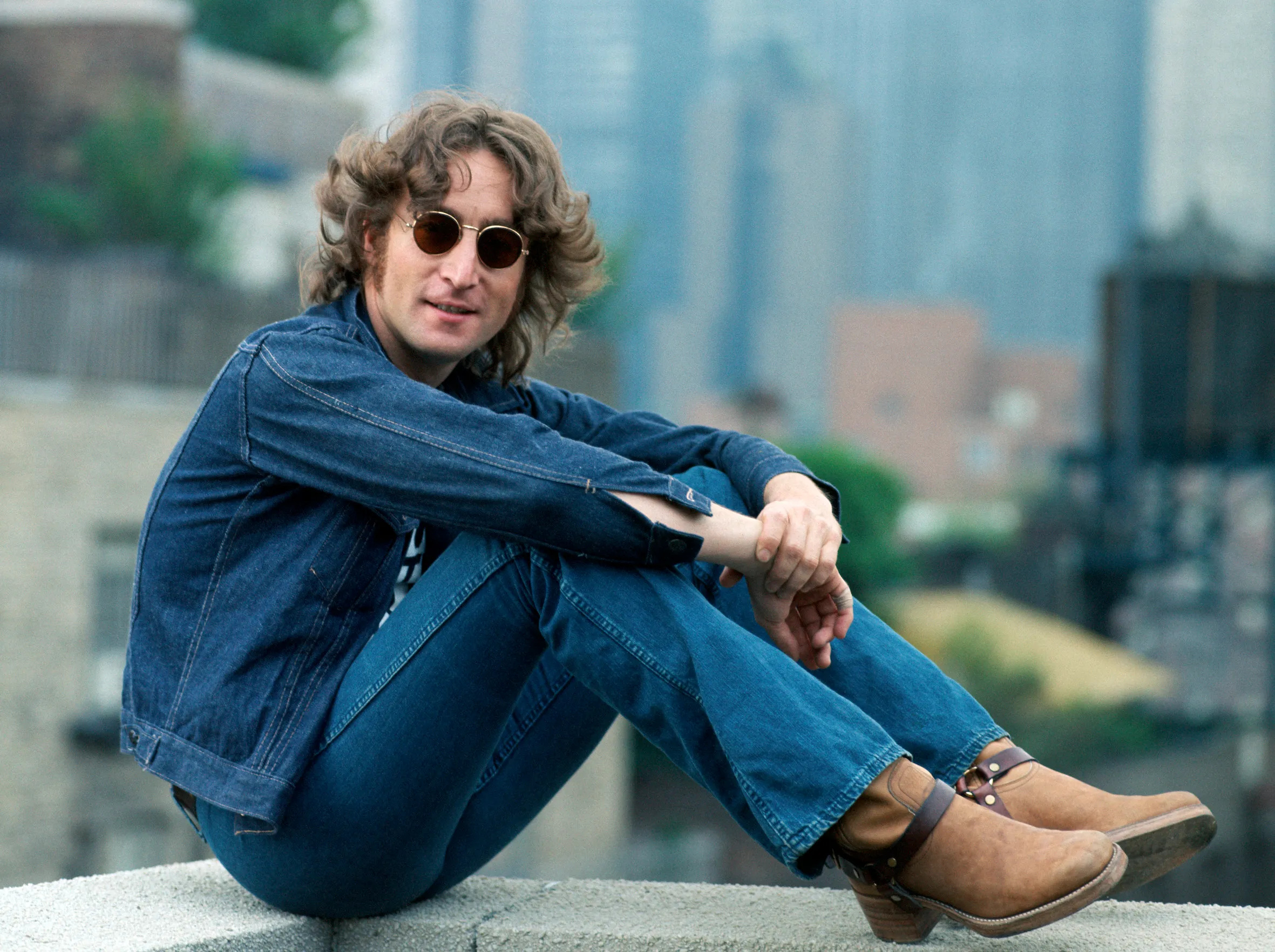
When The Beatles officially came to an end in 1970, many fans wondered what the future would hold for John Lennon. Having spent most of the previous decade as one half of the world’s most successful song writing partnership, Lennon now faced the challenge of establishing himself as a solo artist.
Over the next ten years, he produced some of the most personal, honest and influential music of his career. His solo work explored subjects ranging from childhood trauma and personal relationships to peace, politics and social change. While his music often divided opinion, it demonstrated a willingness to take creative risks and speak openly about his beliefs.
From the raw emotion of John Lennon/Plastic Ono Band to the global success of Imagine and the reflective songs on Double Fantasy, Lennon’s solo career helped establish him as more than just a former Beatle. It revealed a songwriter and artist determined to follow his own path.
From chart-topping classics and hidden album tracks to song writing history, recording details, song meanings and fascinating facts, discover the stories behind some of the greatest songs ever recorded.
Life After The Beatles
The break-up of The Beatles marked a major turning point in Lennon’s life. After years of unprecedented success, he was free to pursue projects without the expectations that came with being part of the world’s most famous band.
The transition was not always easy. Lennon faced personal and professional challenges as he adjusted to life outside the group. At the same time, he embraced the opportunity to explore new musical directions and address subjects that may not have fit comfortably within the Beatles’ catalogue.
Alongside Yoko Ono, Lennon began creating music that was often more personal, experimental and politically outspoken than anything he had previously recorded.
For more information on this period, see the John Lennon page and The Beatles.
The Plastic Ono Band Era
Lennon’s first major post-Beatles statement came with the formation of the Plastic Ono Band.
The project allowed him to move away from the polished sound associated with the later Beatles years and create music that was raw, direct and emotionally honest.
John Lennon/Plastic Ono Band (1970)
Released in 1970, John Lennon/Plastic Ono Band is widely regarded as one of the greatest solo albums ever made.
Influenced by primal therapy, the album explored deeply personal themes including childhood, family relationships, fame and identity.
The stripped-back production placed the focus firmly on Lennon’s voice and songwriting.
Notable songs included:
- Mother
- Working Class Hero
- Isolation
- God
- Love
The album shocked some listeners with its honesty but has since become recognised as a landmark recording in Lennon’s career.
Imagine And Worldwide Success
If Plastic Ono Band revealed Lennon’s inner world, Imagine demonstrated his ability to combine personal expression with universal themes.
Imagine (1971)
Released in 1971, Imagine became Lennon’s most commercially successful solo album.
The title track remains one of the most famous songs ever written and has become an international anthem for peace and hope.
However, the album offered much more than a single hit.
Other notable tracks included:
- Imagine
- Jealous Guy
- Gimme Some Truth
- Oh My Love
- How Do You Sleep?
The album showcased Lennon’s ability to move between intimate reflections and sharp social commentary.
More than fifty years after its release, Imagine remains the defining album of his solo career.
Discover detailed guides to every Beatles album, from Please Please Me through to Let It Be. Learn when each album was recorded and released, explore complete track listings and uncover the history behind the records that changed popular music forever.
Political Music And Activism
During the early 1970s, Lennon’s music became increasingly connected to his political beliefs.
Some Time In New York City (1972)
Recorded with Yoko Ono, Some Time In New York City reflected the social and political issues that were important to the couple.
The album addressed topics such as:
- Civil rights
- Women’s rights
- The Vietnam War
- Political activism
Although it received mixed reviews and was less commercially successful than Imagine, it remains an important document of Lennon’s commitment to using music as a platform for social commentary.
This period is explored further in John Lennon In New York.
Mind Games And Creative Growth
As the decade progressed, Lennon’s music became less overtly political and more reflective.
Mind Games (1973)
Released in 1973, Mind Games represented another stage in Lennon’s artistic development.
The album featured a more polished sound while retaining the personal themes that characterised much of his solo work.
The title track became one of his best-known songs and reflected his continued interest in peace, spirituality and self-discovery.
Although sometimes overshadowed by Imagine, many fans regard Mind Games as one of the hidden gems of Lennon’s catalogue.
The Lost Weekend Years
One of the most unusual periods of Lennon’s life occurred between 1973 and 1975 during the phase later known as the Lost Weekend.
Following a temporary separation from Yoko Ono, Lennon spent much of his time in Los Angeles while continuing to record and perform.
Walls And Bridges (1974)
Despite personal challenges, Lennon remained creatively productive.
Walls And Bridges featured some of the strongest songwriting of his solo career and included several enduring tracks.
Notable songs included:
- Whatever Gets You Thru The Night
- #9 Dream
- Bless You
The album demonstrated that Lennon could still produce commercially successful and critically respected music.
Rock ‘n’ Roll (1975)
Released the following year, Rock ‘n’ Roll paid tribute to the artists who inspired Lennon during his youth.
The album featured covers of classic songs that helped shape the development of both Lennon and The Beatles.
It provided an opportunity for Lennon to revisit the music that first inspired him to pursue a career in rock and roll.
For more on this period, see John Lennon’s Lost Weekend.
Family Life And A Musical Hiatus
Following his reconciliation with Yoko Ono and the birth of their son Sean in 1975, Lennon made a surprising decision.
Rather than continue recording and touring, he stepped away from the music industry.
For approximately five years, Lennon focused primarily on family life. He devoted much of his time to raising Sean and enjoying a quieter lifestyle away from the pressures of fame.
Many observers were surprised by this decision, but Lennon later described these years as some of the happiest of his life.
The period allowed him to recharge creatively before eventually returning to music.
Double Fantasy And A New Beginning
After several years away from recording, Lennon returned with renewed enthusiasm.
Double Fantasy (1980)
Released in 1980, Double Fantasy marked his first new studio album in five years.
The record featured contributions from both Lennon and Yoko Ono and reflected their life together as a married couple and family.
Key songs included:
- (Just Like) Starting Over
- Woman
- Beautiful Boy (Darling Boy)
- Watching The Wheels
The album revealed a more mature and reflective Lennon, one who was looking towards the future with optimism.
Many critics now regard Double Fantasy as a fitting conclusion to his recording career.
Learn more about the four musicians who changed popular music forever. Explore the lives, careers and contributions of John Lennon, Paul McCartney, George Harrison and Ringo Starr, from their Beatles years to their achievements beyond the band.
John Lennon’s Solo Albums
One of the most important aspects of Lennon’s legacy is the body of work he created after The Beatles. Each album reflected a different stage of his personal and artistic journey.
John Lennon/Plastic Ono Band (1970)
A raw and deeply personal album exploring identity, childhood and emotional healing.
Imagine (1971)
Lennon’s most successful solo album, featuring the iconic title track and several other classics.
Some Time In New York City (1972)
A politically focused album reflecting the social issues that mattered to Lennon and Ono.
Mind Games (1973)
A more polished and reflective release that demonstrated Lennon’s continuing artistic growth.
Walls And Bridges (1974)
Created during the Lost Weekend period and featuring some of his strongest solo songs.
Rock ‘n’ Roll (1975)
A collection of classic rock-and-roll covers celebrating Lennon’s musical influences.
Double Fantasy (1980)
A comeback album reflecting family life, maturity and renewed creativity.
Milk And Honey (1984)
Released after Lennon’s death, this album completed work that had begun during the Double Fantasy sessions.
Explore the fascinating history of The Beatles, from their early days in Liverpool to becoming the most successful and influential band in popular music history. Discover the people, places and events that shaped the band’s remarkable journey and lasting legacy.
John Lennon’s Greatest Solo Songs
Lennon’s solo catalogue contains numerous songs that remain popular decades after their release.
Among the most celebrated are:
Imagine
Arguably the most famous solo song ever recorded by a former Beatle.
Instant Karma!
A powerful and energetic single that became an early solo success.
Jealous Guy
A deeply personal ballad admired for its emotional honesty.
Mind Games
One of Lennon’s most enduring songs from the mid-1970s.
Woman
A heartfelt tribute to Yoko Ono that became one of his most successful later recordings.
Watching The Wheels
A reflective song explaining his decision to step away from public life.
These tracks helped establish Lennon’s reputation as one of the most influential solo artists of his generation.
Songs
Ready to take a trip down The Long And Winding Road? Explore The Beatles’ extraordinary catalogue of songs, from timeless classics and chart-topping hits to hidden gems and album favourites. Discover the stories, recording history and fascinating facts behind the music that changed the world.
Albums
Journey through every Beatles album, from Please Please Me to Let It Be. Explore album histories, release information, recording details and complete track listings from one of the greatest catalogues in music history.
History
Want to know how four young musicians from Liverpool became the biggest band in the world? Follow The Beatles’ incredible journey from The Cavern Club and Hamburg to worldwide fame, Beatlemania and musical immortality.
Awards And Recognition
Although comparisons with The Beatles were inevitable, Lennon achieved considerable success as a solo artist.
His albums sold millions of copies worldwide, and many of his songs became enduring classics.
Over the years, critics and musicians have praised his willingness to write openly about personal experiences and social issues.
Songs such as Imagine continue to appear on lists of the greatest songs ever recorded and remain widely recognised throughout the world.
The Legacy Of John Lennon’s Solo Career
John Lennon’s solo career demonstrated that he was far more than a member of The Beatles.
Freed from the expectations of the world’s biggest band, he produced music that was often challenging, emotional and deeply personal. His songs addressed subjects ranging from love and loss to politics, peace and self-discovery.
While his solo catalogue was smaller than those of some of his contemporaries, its impact has been enormous. Albums such as Plastic Ono Band and Imagine continue to influence musicians and songwriters more than fifty years after their release.
For many listeners, Lennon’s solo work offers the clearest insight into his thoughts, beliefs and personality.
Together, these recordings ensured that his legacy would extend far beyond Beatlemania and secure his place among the most important artists in modern music history.
Timeline Of John Lennon’s Solo Career
1970
John Lennon/Plastic Ono Band released.
1971
Imagine released.
1972
Some Time In New York City released.
1973
Mind Games released.
1974
Walls And Bridges released.
1975
Rock ‘n’ Roll released.
1975-1980
Hiatus from recording to focus on family life.
1980
Double Fantasy released.
1984
Milk And Honey released posthumously.
Frequently Asked Questions
What was John Lennon’s best solo album?
Many critics consider Imagine and John Lennon/Plastic Ono Band to be his greatest solo albums.
What was John Lennon’s biggest solo hit?
Imagine remains his most famous and influential solo song.
How many solo albums did John Lennon release?
During his lifetime, Lennon released seven studio albums after The Beatles, with Milk And Honey being released posthumously.
Did John Lennon have a successful solo career?
Yes. Lennon achieved significant commercial and critical success as a solo artist and produced several highly influential albums.
What was John Lennon’s final album?
Double Fantasy was the final studio album released during his lifetime.
What are John Lennon’s most famous solo songs?
Some of his best-known solo songs include Imagine, Instant Karma!, Jealous Guy, Mind Games, Woman and Watching The Wheels.
Latest Posts
- The Death of John Lennon
 John Lennon’s death on 8 December 1980 shocked millions around the world. This article examines the events of that day, the global reaction and the lasting legacy of one of music’s most influential figures.
- John Lennon’s Greatest Beatles SongsExplore John Lennon’s greatest Beatles songs, from Help! and In My Life to Strawberry Fields Forever and Come Together, and discover the albums and stories behind his most influential recordings.
- Why Did John Lennon Write Strawberry Fields Forever?Discover why John Lennon wrote Strawberry Fields Forever, exploring the Liverpool childhood memories, song writing inspiration and ground breaking recording techniques behind one of The Beatles’ most famous songs.
- John Lennon’s Solo CareerExplore John Lennon’s solo career, from Plastic Ono Band and Imagine to Double Fantasy, including his albums, songs, influences and lasting musical legacy.